Regenerative Medicine in Ann Arbor: Beyond Traditional Treatment
What Is Regenerative Medicine?
Regenerative medicine refers to therapies that harness the body's natural healing mechanisms to repair damaged tissue, reduce inflammation, and restore function. Unlike conventional treatments that primarily manage symptoms, regenerative approaches target the underlying biology of tissue repair and cellular renewal.
In Ann Arbor, regenerative medicine has grown beyond academic research settings into clinical practice. At Arbour Longevity, three core regenerative modalities form the foundation of treatment: platelet-rich plasma (PRP), exosome therapy, and therapeutic peptides. Each works through a different mechanism, and a skilled clinician knows when to use each one alone or in combination.
Platelet-Rich Plasma (PRP): Your Own Healing Factors, Concentrated
PRP therapy starts with a simple blood draw. Your blood is processed in a centrifuge to concentrate the platelets, which contain growth factors that signal tissue repair. That concentrated plasma is then injected or applied to the target area.
What PRP Treats
PRP has the broadest evidence base among regenerative therapies and is used at Arbour Longevity for joint pain and soft tissue injuries where growth factors support cartilage and tendon repair, facial rejuvenation including the Vampire Facial which combines PRP with microneedling to stimulate collagen production, hair restoration where PRP is injected into the scalp to support follicle health and slow thinning, and sexual wellness including the P-Shot and O-Shot protocols that use PRP to enhance tissue function.
What to Expect from PRP
A PRP session at Arbour Longevity takes about 60 to 90 minutes. Results build gradually over four to eight weeks as your body responds to the concentrated growth factors. Most patients benefit from a series of two to three sessions spaced four to six weeks apart, followed by maintenance treatments one to two times per year. Arbour uses a dual-centrifuge protocol to maximize platelet concentration, which directly affects the quality of the treatment.
Exosome Therapy: Cell-Free Regenerative Signaling
Exosomes are tiny vesicles released by cells that carry signaling molecules including proteins, lipids, and RNA. When applied to damaged or aging tissue, exosomes deliver regenerative instructions to surrounding cells without requiring a cell transplant. Think of them as the messenger rather than the message.
How Exosomes Are Used
At Arbour Longevity, exosome therapy is used as a standalone treatment and as an upgrade to PRP protocols. Common applications include skin rejuvenation when combined with microneedling for enhanced collagen remodeling, hair restoration as a complement to PRP scalp injections, and joint and soft tissue recovery where exosomes amplify the healing response initiated by PRP.
Exosomes vs. Stem Cells
Patients often ask about stem cell therapy. Exosomes offer several practical advantages. They do not require harvesting from fat or bone marrow, the treatment is faster and less invasive, and because exosomes are cell-free, they carry a lower risk profile. The regenerative signaling is comparable, making exosomes a preferred option for many clinical applications.
Peptide Therapy: Targeted Biological Optimization
Peptide therapy uses short chains of amino acids to trigger specific biological processes. Unlike hormones that have broad systemic effects, peptides tend to be more targeted, activating particular pathways for repair, recovery, inflammation reduction, or cellular renewal.
Key Peptides in Regenerative Practice
Arbour Longevity prescribes peptides based on individual patient needs after a thorough clinical evaluation. Commonly used peptides in regenerative protocols include BPC-157, which supports gut healing, tendon and ligament repair, and tissue recovery. BPC-157 at Arbour Longevity is prescribed and supervised by a triple board-certified clinician. Other peptides used in practice target growth hormone optimization for body composition and recovery, immune modulation for patients with chronic inflammatory conditions, and neuroprotection and cognitive support.
How Peptide Therapy Works at Arbour
Peptide protocols are not over-the-counter supplements. At Arbour Longevity, each peptide is prescribed after clinical evaluation, sourced from licensed pharmacies, and monitored with follow-up labs and check-ins. This level of oversight matters because peptides are potent biological tools, and dosing, timing, and combination protocols require clinical expertise.
Combining Regenerative Therapies
The real power of regenerative medicine often comes from combining modalities strategically. A patient with knee pain might start with PRP injections and add BPC-157 peptide therapy to accelerate tendon repair. Someone focused on skin quality might combine microneedling with PRP and exosomes for a layered regenerative approach. Hair restoration protocols at Arbour frequently combine PRP, exosomes, and targeted peptides for the best results.
These combination protocols are not cookie-cutter. They are designed by a clinician who understands how each therapy interacts and monitors your response over time.
Who Is a Good Candidate for Regenerative Medicine?
Regenerative medicine is well-suited for patients who want to address the root cause of tissue damage rather than mask symptoms, have joint pain, soft tissue injuries, or slow recovery that has not responded adequately to conventional treatment, are interested in non-surgical approaches to facial aging, hair thinning, or sexual wellness, or are pursuing a proactive longevity strategy that includes tissue maintenance and cellular health.
It is not appropriate for active infections, certain autoimmune conditions in flare, or patients who are not willing to commit to a supervised treatment protocol. A responsible clinician will screen for contraindications before recommending any regenerative therapy.
Why Arbour Longevity for Regenerative Medicine in Ann Arbor
Gandhi Bhattarai, FNP-BC, PMHNP-BC, brings triple board certification to every regenerative protocol at Arbour Longevity. That includes board certification in family practice, psychiatric mental health, and anti-aging and functional medicine. This background means regenerative treatments are integrated into a full clinical picture that includes your hormones, metabolic health, mental health, and recovery goals.
The clinic is located at 2217 Packard St in Ann Arbor and is open Thursday through Monday, 10 a.m. to 7 p.m. The initial consultation is $35. If you have been searching for regenerative medicine in Ann Arbor, learn more about Arbour Longevity's approach or call 734-436-3357 to schedule.
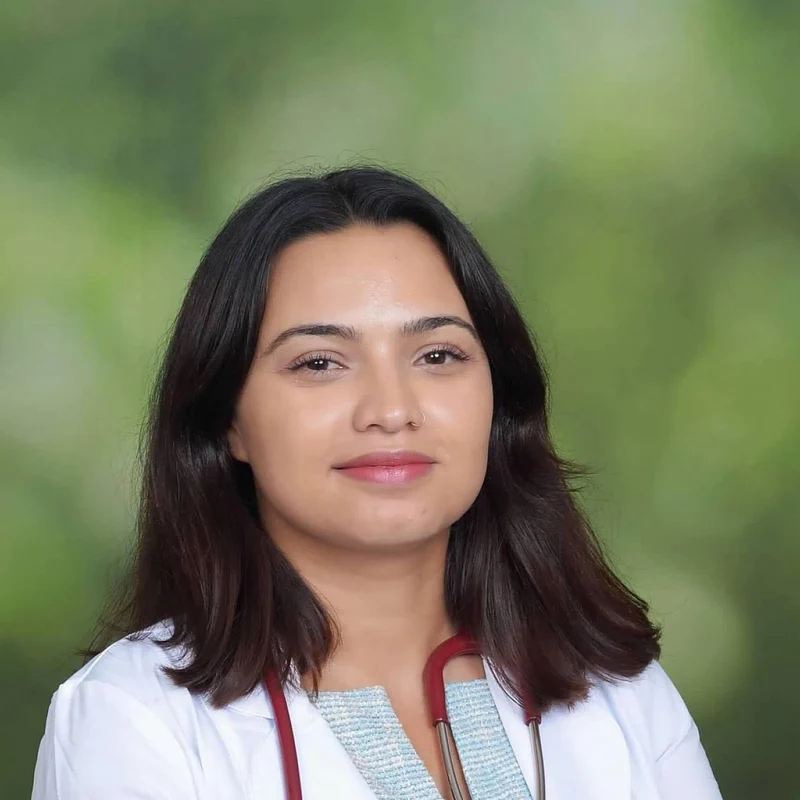
Gandhi Bhattarai, FNP-BC, PMHNP-BC, Anti-Aging/Functional Medicine BC
Triple board-certified nurse practitioner and founder of Arbour Longevity in Ann Arbor. Every article is written from clinic practice and reviewed against current guidelines.
✓ Medically reviewed · Last updated August 24, 2026
How we reviewed this article
Arbour Longevity articles are written by the treating clinician, checked against primary sources (peer-reviewed journals, FDA labeling, Endocrine Society and other specialty guidelines) and re-reviewed when guidance changes. See our editorial policy. Spotted an error? Email info@arbourlongevity.com.
This article is educational and is not a substitute for individualized medical advice. Whether a treatment is appropriate for you is determined during consultation.
Your symptoms have a cause. Let’s find it.
Book a $35 first visit in Ann Arbor. It’s a 30–45 minute consultation with Gandhi Bhattarai, applied toward your plan. Serving Ann Arbor, Ypsilanti, Saline, Dexter, Chelsea, and Michigan by telehealth.





.webp)

