
Key takeaways
- PRP therapy uses a concentrate of your own blood platelets to deliver repair signals to skin, joints or scalp.
- For joints, published trial results are mixed and PRP has not been reviewed or approved by FDA to treat any joint condition; candidacy is decided at a consultation.
- For skin, PRP is paired with microneedling to improve thickness and texture over a few months.
- Arbour Longevity uses a double-spin preparation, about five to seven times normal platelet levels, processed and injected the same visit.
- Hair has its own guide; this page covers the shared biology and the skin and joint protocols.

Most of us were told the same thing about worn cartilage, thinning skin and shrinking follicles: the damage is done, so manage the symptoms. That advice made sense before we had a way to concentrate the body's own repair signals and put them where they are needed.
Here is the short answer. PRP therapy uses platelet-rich plasma: a small amount of your own blood, spun to concentrate the platelets and the healing signals they carry. It is injected into the area you want to repair. At Arbour Longevity in Ann Arbor we use it for three things: aging skin, joint pain and thinning hair. The same biology drives all three, but the protocols differ. This page covers the shared biology and the skin and joint protocols. Hair has its own full guide, PRP hair restoration: how it works.
What regular care often misses about tissue repair
Many of us were taught that once cartilage wears down or skin thins, the damage is permanent and you only manage symptoms. That made sense before we had tools to nudge the body's own repair.
But platelets hold more than clotting factors. They store growth factors: signals that tell nearby cells to build new blood vessels, new collagen and new tissue. Concentrate those platelets and place them where the damage is, and you deliver a focused dose of the body's own repair signals. Have you been told to simply accept a bad knee or tired skin? Our post on why your labs look normal but you feel terrible speaks to that same gap in care.
Why we offer it. The same mechanism drives all three uses. Concentrate the platelets from your own blood, place them where the tissue is struggling, and you deliver the growth factors that signal new blood vessels, new collagen and tissue repair. For joints, the published evidence is mixed: some pooled analyses favor PRP over corticosteroid injection, while a large 2021 placebo-controlled trial in JAMA found no meaningful benefit. For hair, a 2025 systematic review in Dermatology and Therapy covering 43 randomized trials and 1,877 participants found PRP improved hair density and reduced hair loss. One biology, three applications, and a research base that is still developing.
PRP for joints: what the evidence does and does not show
PRP has been studied in people with knee joint discomfort for more than a decade, and the results are mixed. Some trials report less pain and better function than placebo or hyaluronic acid; a large 2021 randomized trial in JAMA found no meaningful difference from placebo. PRP has not been reviewed or approved by FDA to treat osteoarthritis or any joint condition, and many insurers consider it investigational. For patients weighing alternatives to repeated cortisone, it is one option a clinician may discuss after reviewing history and imaging. It is not appropriate for every joint, and it does not replace care from an orthopedic specialist. Individual results vary.

We use ultrasound to place the PRP precisely in the right tissue. More detail is on our PRP injections in Ann Arbor page.
PRP for skin: collagen from your own blood
For skin, we pair PRP with microneedling (tiny controlled pin-pricks that help the growth factors absorb and signal new collagen). Studies suggest this combination can improve skin thickness and texture over about six to twelve weeks, though results vary from person to person. Facial treatments may look pink for a day or two. Details are on our PRP facial in Ann Arbor and microneedling pages. For the PRP-plus-filler version, see our guide to the Vampire Facelift.
Want to know whether your knee, skin or scalp is a PRP candidate?
Your $35 first visit is a 30–45 minute exam with a clear yes, no or "fix this first", and the fee is applied toward your plan.
Book your $35 first visit Call (734) 436-3357
Why platelet concentration matters
How the blood is spun changes the result. A single spin gives about two to three times the normal platelet level. A double spin gives roughly five to seven times. Many published studies used the higher range.

At Arbour Longevity we use a double-spin process for all PRP. It adds about twelve minutes of prep time, but the higher platelet yield is the whole point of the treatment. Checking the underlying drivers matters too. See the 5 blood tests your doctor is not ordering, because low iron or thyroid problems can blunt your response. Hormone and adrenal testing is often where the real answer sits.
PRP for hair, in brief
For hair, PRP is injected into the scalp at the level of the follicle. Growth factors take part in normal follicular signaling; PRP has not been reviewed or approved by FDA to treat hair loss, and study results are mixed. Most people do three to four treatments four to six weeks apart, with first changes around three months, following the hair cycle. PRP can be added to minoxidil or finasteride rather than replacing them. The full explanation, candidacy and timeline are in PRP hair restoration; the hormonal side is in hair loss in women. The program itself is on our PRP hair restoration Ann Arbor page, and the regenerative options that sit alongside it are described under PRP and regenerative therapy.
What I see in clinic
A common pattern I see for hair is a woman in her late 40s with a widening part, normal-looking labs, and ferritin (an iron-storage marker) that is technically "normal" but too low for good hair growth. When we raise her iron first and then run a PRP series, most patients notice less shedding by three months and steadier density by six. Most do not regrow a teenage hairline. They stabilize the loss and gain modest thickness, and that level of change still matters a great deal to the person living it.
The Arbour Longevity PRP protocol
We do not sell PRP as a stand-alone product. For joints, we use ultrasound guidance so the PRP lands in the right tissue. For skin, we pair PRP with microneedling at the right depth for your skin. For hair, we first check iron, zinc, vitamin D, thyroid and sex hormones, because fixing those improves results. Related options like the O-Shot use the same biology for sexual health. For more on regenerative medicine, see our guide to regenerative medicine.
All PRP at Arbour uses our double-spin, low-white-cell preparation, processed and injected the same visit. Blood is drawn, spun and injected within about 45 minutes, with no storage that would weaken the platelets.
What to expect at your visit
We review your history, examine the area and decide if PRP fits. It is not right for everyone: active infection, blood disorders and blood thinners can rule it out. If you are a good fit, we lay out the number of sessions and the timing. The visit itself takes about an hour: draw, spin, numb, inject. Most people feel mild pressure or stinging, well controlled with numbing. You can return to normal activity right away. We suggest avoiding anti-inflammatory pills for 48 hours, since they may interfere with the platelet signaling PRP relies on.
Frequently Asked Questions
Can PRP injections help with knee osteoarthritis?
The evidence is mixed. Some trials report less pain and better function; others, including a 2021 randomized trial in JAMA, found no meaningful difference from placebo. PRP has not been reviewed or approved by FDA to treat osteoarthritis or any joint condition. Whether it is a reasonable option for you is decided at a consultation after a review of your imaging and history, and results vary from person to person.
How long does it take to see results from PRP?
It depends on the area. When joints respond, changes are usually noticed over several weeks. Skin collagen builds over about six to twelve weeks. Hair changes start around three months because of the hair cycle. PRP signals your tissue to repair itself, and that process runs on a biological timeline you cannot rush.
Is platelet-rich plasma therapy safe?
Because PRP uses your own blood, allergic reactions and disease transmission are not concerns. The most common effects are temporary: swelling, bruising and mild soreness for one to three days. Infection risk is very low with clean technique. PRP has been used clinically for nearly two decades without a long-term safety signal.
What are the side effects of PRP injections?
Most people have minor bruising and swelling that fades in three to five days. Joint injections sometimes cause a couple of days of achiness; facial treatments may look pink for a day or two; scalp injections can be tender. We suggest acetaminophen rather than ibuprofen or naproxen right after treatment, since those may interfere with the healing response.
How does PRP therapy work for hair loss?
PRP is injected into the scalp, where its growth factors can wake up resting follicles, extend the growth phase and improve blood flow to the follicle. Most people do three to four treatments four to six weeks apart and start to see changes around three months. The full guide is PRP hair restoration: how it works.
How much does PRP therapy cost in Ann Arbor?
Cost depends on the area treated, the number of sessions and whether imaging guidance is used. At Arbour Longevity the first visit is $35, and we give you clear pricing for your specific plan at that consultation. Insurance rarely covers PRP for hair or cosmetic uses, and most plans classify PRP joint injections as investigational and do not cover them.
What is the difference between single-spin and double-spin PRP?
A single spin produces about two to three times your normal platelet level; a double spin produces roughly five to seven times. The higher concentration is the range used in many published studies, which is why Arbour Longevity uses a double-spin process for all PRP.
Arbour Longevity, 2217 Packard St #15, Ann Arbor, MI 48104. Hours: Thursday through Monday, 10am to 7pm. Book your $35 first visit or call (734) 436-3357; the $35 is applied toward your treatment plan.
References
- American Academy of Orthopaedic Surgeons (OrthoInfo). Platelet-Rich Plasma (PRP).
- Gupta AK, Carviel JL. Meta-analysis of efficacy of platelet-rich plasma therapy for androgenetic alopecia. Journal of Dermatological Treatment.
- National Center for Complementary and Integrative Health (NIH). Osteoarthritis: In Depth.
This article is educational and does not replace individualized medical advice.
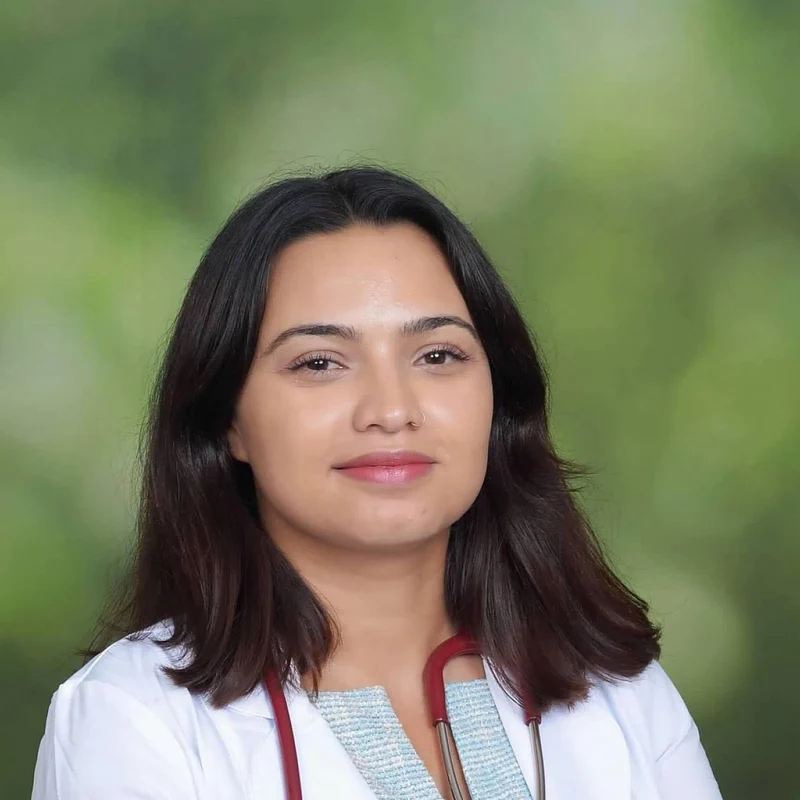
Gandhi Bhattarai, FNP-BC, PMHNP-BC, Anti-Aging/Functional Medicine BC
Triple board-certified nurse practitioner and founder of Arbour Longevity in Ann Arbor. Every article is written from clinic practice and reviewed against current guidelines.
✓ Medically reviewed · Last updated August 21, 2026
How we reviewed this article
Arbour Longevity articles are written by the treating clinician, checked against primary sources (peer-reviewed journals, FDA labeling, Endocrine Society and other specialty guidelines) and re-reviewed when guidance changes. See our editorial policy. Spotted an error? Email info@arbourlongevity.com.
This article is educational and is not a substitute for individualized medical advice. Whether a treatment is appropriate for you is determined during consultation.
Your symptoms have a cause. Let’s find it.
Book a $35 first visit in Ann Arbor. It’s a 30–45 minute consultation with Gandhi Bhattarai, applied toward your plan. Serving Ann Arbor, Ypsilanti, Saline, Dexter, Chelsea, and Michigan by telehealth.





.webp)

