CAT Resurfacing: What It Is and Why It's the Next Generation of Skin Rejuvenation
Key takeaways
- CAT resurfacing makes tiny, precise columns of controlled injury so your skin rebuilds collagen as it heals.
- It aims for the results of an ablative laser with a shorter, easier recovery.
- It targets fine lines, rough texture, uneven tone, acne scars and sun damage.
- Few clinics near Ann Arbor offer it, and a consultation decides whether it suits you.
Understanding Skin Resurfacing: The Basics
Skin resurfacing works by making controlled damage to the top of the skin. That damage switches on the body's own wound-healing response. As the skin heals, it makes new collagen (the protein that keeps skin firm). It also sheds damaged cells and reveals smoother, more even, younger-looking skin beneath.
The hard part has always been balance. Deeper, more intense treatment gives more dramatic results. It also raises the risk and adds healing time.
Older fully ablative lasers (lasers that remove the whole top layer of skin), like early CO2 lasers, gave remarkable results. But they needed weeks of downtime. They also carried risks of scarring, infection and pigment changes.
Fractional ablative lasers (lasers that treat only a fraction of the surface) improved on this. They make tiny columns of treated skin with intact skin around each one. That intact skin helps the area heal faster.
Weighing lasers against microneedling? Our review of what the head-to-head microneedling and laser studies actually found compares how the two perform.
What Is CAT Resurfacing?
CAT (Controlled Ablation Technology) resurfacing builds on fractional ablative treatment. It refines it with newer, more advanced ways of delivering the ablative energy. These give us fine control over three things:
- Ablation depth (how deep each column of skin is removed).
- Coagulation zones (the ring of heat-sealed tissue around each column).
- Thermal effects (how much heat reaches the nearby skin).
This lets us match the settings to your skin type, your concerns and how much downtime you can accept.
Key strengths of CAT include:
- Precise control of depth: Depth can be set column by column. That ranges from light texture work to deeper wrinkle and scar treatment.
- Adjustable coagulation zones: The width of the heat zone around each column can be set exactly. Narrower zones mean faster healing. Wider zones mean more collagen growth.
- Custom treatment density: The share of skin treated per session can be dialed up or down. It depends on your goals and the downtime you have.
- Even energy delivery: Fine pulse control keeps the treatment uniform across the whole area. That lowers the risk of hot spots or patchy results.
Research supports this ongoing refinement of ablative technologies for skin renewal. A 2024 study tested a new ablative pulsed laser. It found that the newer systems make thinner, more precise microcolumns than earlier devices. That means a better safety profile and a chance of shorter downtime, with results kept strong (Gronovich et al., Lasers in Surgery and Medicine, 2024; DOI: 10.1002/lsm.23817).
CAT Resurfacing vs. Traditional Laser Resurfacing
| Feature | CAT Resurfacing | Traditional CO2 Laser | Non-Ablative Laser |
|---|---|---|---|
| Ablation Precision | Microcolumn-level control | Less precise depth control | No ablation |
| Coagulation Control | Fully adjustable | Fixed or limited | Heat-based only |
| Typical Downtime | 5-7 days | 10-14+ days | 1-3 days |
| Results (Wrinkles) | Significant improvement | Significant improvement | Mild to moderate |
| Results (Texture) | Dramatic improvement | Dramatic improvement | Modest improvement |
| Risk of Complications | Lower (precision control) | Higher | Lowest |
| Sessions Needed | 1-3 | 1-2 | 3-6+ |
| Skin Type Suitability | Broader range (customizable) | Best for lighter skin | Most skin types |
What Skin Concerns Does CAT Resurfacing Address?

CAT works well for a wide range of skin concerns:
- Fine lines and wrinkles: Mostly around the eyes, mouth and forehead.
- Sun damage (photodamage): Patchy pigment, sunspots and rough texture.
- Acne scars: Both shallow and fairly deep atrophic scars (scars that sit below the skin surface).
- Skin laxity (looseness): Mild to moderate loose skin, above all when paired with other treatments.
- Rough or uneven texture: Smoother skin and smaller-looking pores.
- Dull complexion: Restored radiance and glow.
Adding regenerative add-ons (treatments that help tissue repair itself) to fractional ablative laser cut downtime by a statistically significant margin. It also improved skin renewal, including brighter, more youthful-looking skin. The evidence comes from a randomized controlled trial (a study that assigns people by chance to one treatment or the other). It appeared in the Journal of Cosmetic Dermatology (Dayan et al., 2023; DOI: 10.1111/jocd.15914).
Recognize yourself in this?
Your $35 first visit at Arbour Longevity in Ann Arbor includes a check of whether this treatment suits your skin, and the fee is applied toward your plan.
Book your $35 first visit Call (734) 436-3357
The Treatment Experience: What to Expect
Before Your Treatment
Your journey begins with a consultation at Arbour Longevity. Gandhi Bhattarai, FNP-BC, PMHNP-BC, Anti-Aging/Functional Medicine BC will check your skin and talk through your goals. Gandhi then picks the CAT settings that best fit your needs. Prep before treatment may include:
- Stopping retinoids (vitamin A-based skin creams) and certain active skincare 5-7 days before treatment.
- Staying out of the sun and wearing SPF daily.
- Antiviral medicine if you have had cold sores in the past.
- Going over any medicines or supplements that may affect healing.
During the Procedure
We cleanse the area and apply a topical (on-the-skin) numbing cream 30 to 60 minutes before we start. Deeper settings may also call for a local anesthetic. We then pass the CAT device over the area, delivering finely controlled ablative energy. Most facial treatments take 30 to 60 minutes.
Patients often describe the feeling as warm and prickling. Discomfort varies with the treatment strength and your own tolerance.
Recovery Timeline
- Days 1-2: Redness, swelling and a sunburn-like feeling. Skin may feel tight and warm.
- Days 3-5: Peeling begins as the treated skin sheds. This is a normal, expected part of healing.
- Days 5-7: Most peeling is done. New pink skin shows beneath. Makeup can often go on at this point.
- Weeks 2-4: The pink tone slowly fades. Skin keeps improving as new collagen forms.
- Months 1-6: Full results develop as collagen remodeling goes on. Skin looks smoother, firmer and more even.
Why CAT Resurfacing Sets Arbour Longevity Apart
Few clinics in the Ann Arbor area offer CAT. That is a deliberate choice at Arbour Longevity. We want our patients to have newer options with the potential for superior results.
CAT also pairs with our other skin renewal services:
- PRP (platelet-rich plasma: a concentrate of your own blood platelets, rich in growth factors).
- Peptide therapy (peptides are short chains of amino acids that act as signals telling cells what to do). Many peptides used in aesthetics are investigational or used for a purpose the FDA has not formally reviewed or approved.
- Non-surgical facelift protocols.
Used together, CAT becomes one part of a full, multi-treatment approach to skin health. Mapping out a broader plan? See how resurfacing fits with other non-surgical options in our provider's guide to looking 10 years younger without surgery.
Pairing ablative laser with regenerative treatments such as PRP and hyaluronic acid (a moisture-holding molecule used in skin fillers) raised satisfaction rates. It also gave measurable (biometric) skin gains beyond what either treatment achieves alone (Roohaninasab et al., Aesthetic Plastic Surgery, 2025; DOI: 10.1007/s00266-025-05359-w).
Who Is a Good Candidate for CAT Resurfacing?
CAT may be right for you if:
- You want a real change in your skin but need a manageable healing period.
- You have moderate to severe sun damage, wrinkles or acne scarring.
- Earlier non-ablative treatments did not give the results you wanted.
- You are willing to invest in proper aftercare and sun protection.
- You are in good health with realistic expectations.
Frequently Asked Questions About CAT Resurfacing
How many CAT resurfacing treatments do I need?
Many patients see clear improvement after a single treatment. Deeper concerns, like acne scarring or severe sun damage, may need 2 to 3 sessions spaced 6 to 8 weeks apart. Your provider builds a custom plan at your first visit.
Is CAT resurfacing painful?
We apply numbing cream before treatment, and we can adjust the settings for your comfort. Most patients tolerate it well and describe a warm, prickling feeling. Afterward, the skin feels like a mild sunburn for 1 to 2 days.
Can CAT resurfacing be combined with other treatments?
Yes, and this is one of its strengths. At Arbour Longevity, we often pair CAT with PRP, neuromodulators (injectables that relax the small muscles behind expression lines) and other regenerative therapies for full facial renewal. Need to avoid visible peeling altogether? GlassLIFT, our zero-downtime glass skin treatment in Ann Arbor, is another option we offer.
How long do results from CAT resurfacing last?
Results are long-lasting because the treatment spurs new collagen and cell turnover. With good sun protection and skincare, patients typically enjoy better skin quality for years. Upkeep treatments once or twice a year can help sustain results. Between resurfacing sessions, some patients maintain their skin with lighter treatments. Our comparison of how HydraFacial and microneedling each work outlines what the research shows about each.
Is there anyone who should not have CAT resurfacing?
CAT may not be right for you if you:
- Are pregnant.
- Have an active skin infection.
- Have a history of keloid scarring (thick, raised scars that grow beyond the wound).
- Take isotretinoin (a strong oral acne drug).
Patients with darker skin tones need a careful check and custom settings to reduce the risk of pigment changes. A thorough first visit makes sure the treatment is safe and right for you.
Ready to find out whether CAT suits your skin? You can book your $35 first visit online or call (734) 436-3357. The $35 is applied toward your treatment plan. Arbour Longevity is at 2217 Packard St #15, Ann Arbor, MI 48104, open Thursday through Monday, 10am to 7pm.
This article is educational and does not replace individualized medical advice.
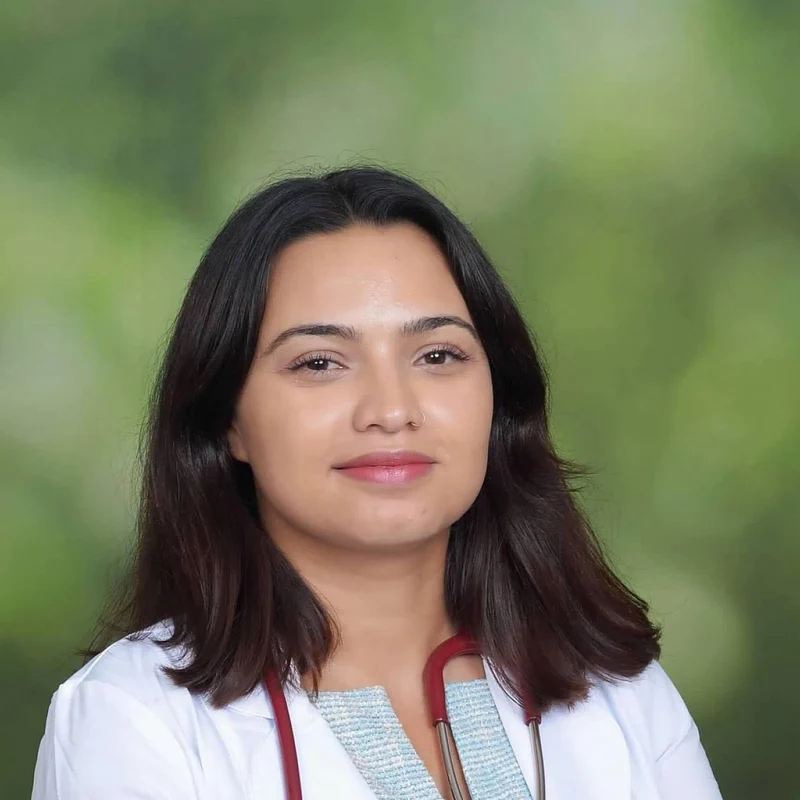
Gandhi Bhattarai, FNP-BC, PMHNP-BC, Anti-Aging/Functional Medicine BC
Triple board-certified nurse practitioner and founder of Arbour Longevity in Ann Arbor. Every article is written from clinic practice and reviewed against current guidelines.
✓ Medically reviewed · Last updated August 19, 2026
How we reviewed this article
Arbour Longevity articles are written by the treating clinician, checked against primary sources (peer-reviewed journals, FDA labeling, Endocrine Society and other specialty guidelines) and re-reviewed when guidance changes. See our editorial policy. Spotted an error? Email info@arbourlongevity.com.
This article is educational and is not a substitute for individualized medical advice. Whether a treatment is appropriate for you is determined during consultation.
Your symptoms have a cause. Let’s find it.
Book a $35 first visit in Ann Arbor. It’s a 30–45 minute consultation with Gandhi Bhattarai, applied toward your plan. Serving Ann Arbor, Ypsilanti, Saline, Dexter, Chelsea, and Michigan by telehealth.



.webp)

