
How to Look 10 Years Younger Without Surgery: A Longevity Provider's Guide
Key takeaways
- You can look about ten years younger without surgery by fixing several small things, not one big thing.
- The ten moves below cover lift, volume, expression lines, eyelids, skin texture, hair and cell-level repair.
- Order matters: rebuild volume first, then lift, then tighten and refine the surface.
- Each move has its own guide on this blog; this page is the map that ties them together.
- A $35 first visit at Arbour Longevity tells you which three or four moves would change your face the most.
Nobody looks ten years older because of one thing. It is a stack of small changes: a softer jawline, flatter cheeks, a heavier upper eyelid, deeper lines around the mouth, duller skin, thinner hair. Surgery tries to fix the biggest of these in one operation. The non-surgical route fixes several of them, one at a time, in the right order.
Below are the ten moves we use most at Arbour Longevity in Ann Arbor, where Gandhi Bhattarai, FNP-BC, PMHNP-BC, plans aesthetic care as part of longevity medicine. Each move links to the full guide on that treatment. Think of this page as the map.
1. Lift a softening jawline with PDO threads
The jawline is where age shows first for many people. PDO threads are fine, dissolving medical threads placed under the skin. Barbed threads hook the tissue and lift it right away. Over the next few months they also trigger new collagen along their path, so the result outlasts the thread itself.

The evidence supports this. Combining PDO cog threads with hyaluronic acid fillers produced "immediate, long-lasting results with minimal downtime" in a case study (Journal of Cosmetic Dermatology, 2022, DOI: 10.1111/jocd.14921). In a 2025 study, 90% of patients treated with PDO threads and botulinum toxin noted better skin texture and brightness after four months, with only mild, short-lived swelling (DOI: 10.1080/23320885.2025.2546528).
Full guide: PDO thread lift in Ann Arbor. Weighing it against surgery? PDO thread lift vs facelift.
2. Rebuild lost volume with Sculptra
Hollow temples and flat cheeks make a face look tired even when nothing sags. Sculptra (poly-L-lactic acid) is a biostimulator: rather than adding volume on the day, it prompts your body to build its own collagen over a series of sessions. The change arrives slowly, so people notice you look rested, not "done".

A two-year study followed 106 patients treated with poly-L-lactic acid across the tear trough, midface, nasolabial folds, pre-jowl area and jawline. It documented 99.1% patient satisfaction (Aesthetic Surgery Journal, DOI: 10.1177/1090820X10391213).
Full guide: Sculptra vs fillers for facial volume.
3. Soften expression lines with a neuromodulator
Crow's feet, forehead lines and the "elevens" between the brows come from muscles that fire thousands of times a day. A neuromodulator (Botox, Dysport or Xeomin) relaxes those small muscles for three to four months. Existing lines soften and new ones form more slowly. This is the one move almost everyone can start with.
Full guide: Botox vs Dysport vs Daxxify, or see our Botox page.
4. Restore contour with dermal fillers, but only where volume is truly missing
Hyaluronic acid fillers add volume directly to lips, nasolabial folds, marionette lines and under-eyes. They pair well with a neuromodulator: one smooths lines, the other restores shape. The mistake is using filler to chase sagging. Filler replaces volume; it does not lift. When the problem is descent, threads are the better tool.
Full guide: Dermal fillers in Ann Arbor: types and cost, or see our fillers page.
5. Lift hooded eyelids with Plexr plasma
Heavy upper lids age the whole face. Plexr is an FDA-cleared plasma device that delivers tiny controlled arcs of ionized gas to the skin surface. Each point makes the skin contract, so the lid tightens without cutting. It is also used for lines around the mouth and for skin tags. Arbour Longevity is the only clinic in Ann Arbor offering Plexr.
A study in Skin Research and Technology tested plasma for non-surgical blepharoplasty. It was "well tolerated by all patients with no adverse effects and optimal aesthetic results" and "could offer an alternative choice to surgical procedures" (DOI: 10.1111/srt.12774). A 2025 trial in the Journal of Drugs in Dermatology found microplasma "a successful non-surgical treatment option to reduce redundant skin of the upper eyelid with minimal adverse effects" (DOI: 10.36849/JDD.8635).
Full guide: Non-surgical blepharoplasty vs surgery. For the device itself, see Plexr soft surgery in Ann Arbor.
Not sure which three or four of these moves are yours?
Your $35 first visit is a 30–45 minute facial assessment that ranks these moves for your face, with the fee applied toward your plan.
Book your $35 first visit Call (734) 436-3357
6. Resurface sun damage across the whole face
Uneven tone, fine lines and rough texture across the cheeks and forehead add years on their own. Full-face plasma resurfacing (our CAT Resurfacing protocol) treats the whole field rather than individual points. Plan for about a week of visible healing, then steady improvement over three to six months.
Full guide: CAT Resurfacing for skin rejuvenation.
7. Bring back glow with microneedling and PRP
Dull, thin skin reflects less light. Microneedling (tiny controlled punctures that trigger collagen repair) paired with PRP (platelet-rich plasma, a concentrate of your own blood platelets) improves texture and thickness over a few months. It is a gentler, repeatable move that suits people between bigger treatments.
Full guide: The Vampire Facelift in Ann Arbor. Comparing options? HydraFacial vs microneedling.
8. Treat thinning hair before it frames an older face
Hair frames everything above. A widening part or receding temples read as age faster than most wrinkles. PRP hair restoration injects your own concentrated platelets into the scalp to wake up shrinking follicles. Reviews of many randomized trials find it increases hair density compared with placebo. It works best early, while follicles are still there.
Full guide: PRP hair restoration: how it works.
9. Finish treatments with professional skincare
After in-office procedures, a professional skincare serum applied to the skin surface can support hydration and post-treatment comfort. It is a cosmetic step, not a medical treatment.
10. Work at the cell level with NAD+
NAD+ is a molecule every cell needs to make energy and repair DNA, and levels fall with age. Restoring it has become a cornerstone of longevity medicine. In lab studies, NAD+ protected human skin cells against both sun-driven and age-driven aging. It worked through better sirtuin activity (proteins that regulate cell aging), cell clean-up and mitochondrial function (the cell's power plants) (Cells, 2024, DOI: 10.3390/cells13211799). A 2025 study in PLoS ONE showed that supporting SIRT1, an NAD+-dependent pathway, reduced markers of skin aging from UV and oxidative stress (DOI: 10.1371/journal.pone.0321005).
NAD+ works deeper than any surface treatment. The visible payoffs, better skin quality, more energy and faster recovery from procedures, make it a strong partner to the moves above.
Full guide: NAD+ IV therapy benefits.
How to sequence the ten moves
The real power is in the order. At Arbour Longevity, Gandhi Bhattarai, FNP-BC, PMHNP-BC, designs tailored combination plans that work on several fronts at once:
- Structure and lift: Sculptra first, then PDO threads (moves 2 and 1).
- Surface smoothing: a neuromodulator and, where needed, filler (moves 3 and 4).
- Skin tightening and texture: Plexr eyelids, resurfacing, microneedling with PRP (moves 5, 6 and 7).
- Frame and foundation: hair, skincare and NAD+ (moves 8, 9 and 10).
A typical plan starts with Sculptra to rebuild volume. Two to four weeks later, a neuromodulator and any filler refine the surface. Once volume is developing, threads add the lift. Plasma comes last so healing never overlaps. The full sequence is laid out in our non-surgical facelift guide, Non-surgical facelift in Ann Arbor.
Results build over weeks and months, and they vary from person to person. Friends notice you look refreshed and well-rested, not that you had "work done".
Frequently Asked Questions
How long do non-surgical anti-aging results last?
It depends on the move. Neuromodulators last three to four months. Fillers last six months to two years depending on product and placement. Sculptra often lasts two years or more, because the collagen is your own. PDO threads lift for 12 to 18 months. Plexr results can hold for two to three years. A maintenance plan keeps results steady.
Is there any downtime with these treatments?
Most are low-downtime. Neuromodulators and fillers may cause mild swelling or bruising for a day or two. PDO threads mean a few days of tenderness and swelling. Plexr creates small crusts that clear within five to ten days. NAD+ therapy has no visible downtime.
Am I a good candidate if I have never had any aesthetic treatments?
Yes. People new to aesthetics often benefit the most from a full assessment, because there is room to build a proactive, prevention-focused plan. At your consultation, Gandhi Bhattarai, FNP-BC, PMHNP-BC, reviews your facial anatomy, skin quality and goals to rank the moves for your starting point.
How is Plexr different from laser treatments?
Plexr uses plasma energy rather than laser light. It sublimates (vaporizes) a micro-thin layer of skin, which makes the surrounding skin tighten. Unlike many lasers, it can be used on delicate areas such as the eyelids. Arbour Longevity is the only clinic in Ann Arbor offering it.
Can these treatments be combined with other longevity therapies?
Yes. At Arbour Longevity, aesthetic treatments are often part of a broader longevity plan. NAD+ infusions, hormone care and other protocols can be coordinated with your aesthetic plan.
Take the First Step
You do not have to choose between looking your age and going under the knife. With the right three or four of these ten moves, in the right order, most people can turn the clock back in a way that looks like them.
Ready to find out which moves are yours? Book your $35 first visit with Gandhi Bhattarai, FNP-BC, PMHNP-BC, at Arbour Longevity in Ann Arbor, or call (734) 436-3357 to start your tailored plan.
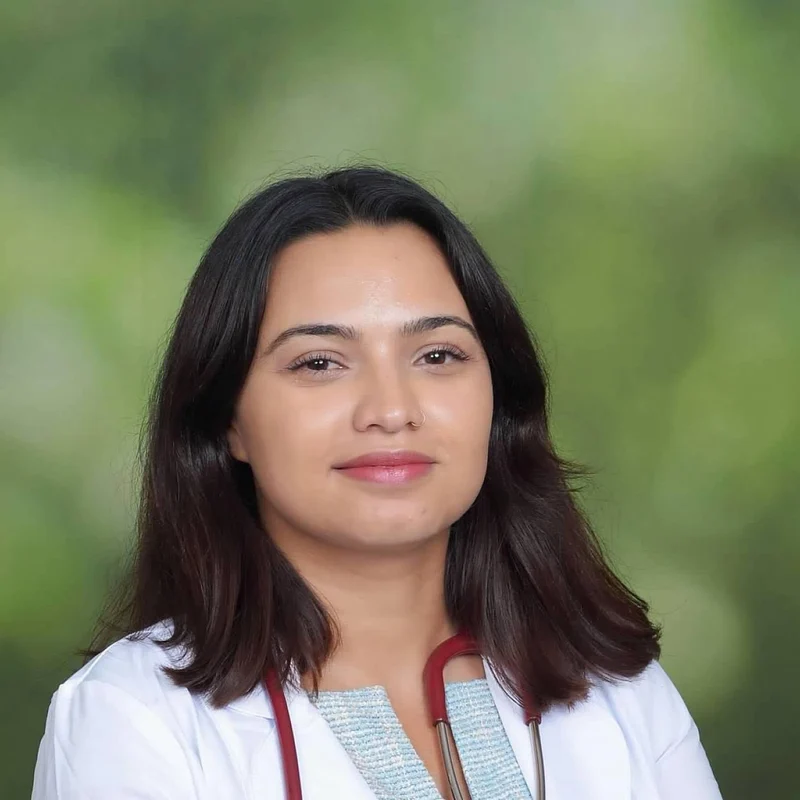
Gandhi Bhattarai, FNP-BC, PMHNP-BC, Anti-Aging/Functional Medicine BC
Triple board-certified nurse practitioner and founder of Arbour Longevity in Ann Arbor. Every article is written from clinic practice and reviewed against current guidelines.
✓ Medically reviewed · Last updated August 21, 2026
How we reviewed this article
Arbour Longevity articles are written by the treating clinician, checked against primary sources (peer-reviewed journals, FDA labeling, Endocrine Society and other specialty guidelines) and re-reviewed when guidance changes. See our editorial policy. Spotted an error? Email info@arbourlongevity.com.
This article is educational and is not a substitute for individualized medical advice. Whether a treatment is appropriate for you is determined during consultation.
Your symptoms have a cause. Let’s find it.
Book a $35 first visit in Ann Arbor. It’s a 30–45 minute consultation with Gandhi Bhattarai, applied toward your plan. Serving Ann Arbor, Ypsilanti, Saline, Dexter, Chelsea, and Michigan by telehealth.