
Why Ann Arbor Patients Are Choosing Regenerative Medicine Over Traditional Anti-Aging
The Shift from Anti-Aging to Regenerative Medicine
For decades, the anti-aging industry focused primarily on surface-level interventions: creams that promise to erase wrinkles, procedures that tighten sagging skin, and supplements with bold marketing claims but limited scientific backing. These approaches treat aging as a cosmetic problem to be concealed rather than a biological process to be understood and managed.
Regenerative medicine represents a fundamentally different paradigm. Instead of covering up the signs of aging, regenerative approaches aim to restore the body's capacity for repair and renewal. This includes therapies that support cellular regeneration, reduce chronic inflammation, optimize hormonal balance, and address the molecular hallmarks of aging. For a closer look at the individual therapies involved, see our overview of regenerative medicine in Ann Arbor with PRP, exosomes, and peptides.
Research published in Aging and Disease by Zheng et al. (2024) outlined the growing evidence for senolytic and senomorphic therapies, compounds that target senescent (damaged, non-functional) cells that accumulate with age and drive inflammation, tissue dysfunction, and disease. The review highlighted how these strategies represent a paradigm shift from treating age-related diseases one at a time to addressing aging itself as a modifiable condition (DOI: 10.14336/AD.2024.0206).
Why Ann Arbor Is Leading This Shift
Ann Arbor's demographics make it uniquely receptive to regenerative medicine. The city's residents include University of Michigan faculty, healthcare professionals, tech workers, and retirees who are accustomed to evaluating evidence and asking critical questions about their care. Several factors drive the local trend toward regenerative approaches:
The Research-Minded Patient
Ann Arbor patients frequently arrive at consultations having already read the published literature on treatments they are considering. They want providers who can discuss the science behind a therapy, not just promise results. At Arbour Longevity, Gandhi Bhattarai, FNP-BC, PMHNP-BC, Anti-Aging/Functional Medicine BC, takes the time to explain the mechanisms, evidence, and expected outcomes of every treatment.
The Active Professional
Many Ann Arbor residents are in their 40s and 50s, still deeply engaged in demanding careers, and unwilling to accept that declining energy, cognitive sharpness, or physical performance is simply "part of getting older." They seek therapies that restore function, not just appearance.
The Proactive Health Optimizer
A significant segment of our patient base consists of individuals who are not currently sick but want to stay that way. They are interested in preventing the chronic diseases of aging, including metabolic syndrome, cardiovascular disease, and cognitive decline, by intervening before these conditions develop.
The Holistic Wellness Seeker
Ann Arbor's culture embraces integrative and holistic health approaches. Patients here are drawn to practices that consider the whole person, addressing physical health, hormonal balance, mental wellness, and aesthetic goals as interconnected components of overall well-being.
What Regenerative Medicine Looks Like in Practice
At Arbour Longevity, regenerative medicine encompasses a range of evidence-based interventions:
Peptide Therapy: Therapeutic peptides like BPC-157, Thymosin Alpha-1, MOTS-c, and others target specific biological processes including tissue repair, immune modulation, metabolic optimization, and cellular regeneration. Learn more about our peptide therapy programs.
Hormone Optimization: Bioidentical hormone replacement therapy (BHRT) restores hormones to optimal levels, addressing the cascading effects of hormonal decline on energy, body composition, cognition, mood, and skin quality.
Platelet-Rich Plasma (PRP): PRP uses your own blood's concentrated growth factors to stimulate tissue regeneration. A 2024 review by Phoebe et al. in Skin Research and Technology confirmed the efficacy of PRP for skin rejuvenation, documenting improvements in skin pore size, texture, wrinkle reduction, collagen density, and protection against ultraviolet damage (DOI: 10.1111/srt.13714). PRP is also used in joint and musculoskeletal care, and our article on PRP joint injections as an alternative to cortisone explains how the two options differ.
Medical Weight Loss: Our evidence-based weight management programs address metabolic dysfunction at its root, combining medical interventions with nutritional guidance and lifestyle modification.
Regenerative Aesthetics: Combining regenerative therapies with aesthetic treatments produces results that are not just visible but durable, because the underlying biology is being supported, not just the surface. Patients considering this category often ask about exosome-based skincare, and our overview of exosome therapy and regenerative skincare explains what these treatments involve and notes that exosome therapy is not FDA-approved for these uses.
Regenerative vs. Traditional Anti-Aging: A Comparison
| Aspect | Traditional Anti-Aging | Regenerative Medicine |
|---|---|---|
| Approach | Conceal signs of aging | Restore biological function |
| Focus | Skin surface and appearance | Cellular health and systemic optimization |
| Typical Treatments | Topical creams, basic injectables | Peptides, PRP, BHRT, metabolic interventions |
| Duration of Results | Temporary, requires constant maintenance | Longer-lasting, builds cumulative benefit |
| Evidence Base | Varies widely | Grounded in peer-reviewed research |
| Provider Depth | Varies | Requires advanced clinical training |
| Patient Experience | Transactional appointments | Ongoing health partnership |
Patient Personas: Who Is Choosing Regenerative Medicine in Ann Arbor?
Dr. Sarah, 52, University Researcher: Sarah noticed declining energy and weight gain despite maintaining her running routine. She wanted data-driven answers, not just a prescription. At Arbour Longevity, comprehensive labs revealed suboptimal thyroid function and low DHEA. A targeted BHRT protocol combined with peptide therapy restored her energy and body composition within three months.
James, 44, Tech Executive: James was performing well at work but felt his cognitive edge was dulling. He was interested in proactive longevity optimization before problems developed. His program included metabolic testing, hormone optimization, and a customized peptide protocol targeting mitochondrial function and neuroprotection.
Maria, 58, Retired Educator: Maria wanted to look and feel her best going into retirement. She was not opposed to aesthetics but wanted more than fillers and Botox. Her regenerative plan combined PRP facial rejuvenation with hormone optimization and medical weight loss, addressing both appearance and vitality. A systematic review by Meretsky et al. (2024) in Cureus documented how stem cell and PRP-based therapies in aesthetic and reconstructive contexts lead to enhanced healing, reduced scarring, improved skin texture, and natural integration of treated areas (DOI: 10.7759/cureus.67067).
The Science Behind the Shift: Why Regenerative Approaches Work Better Long-Term
The reason regenerative medicine produces more durable results than traditional anti-aging approaches comes down to biology. Traditional treatments work on the surface: fillers add volume where it has been lost, Botox relaxes muscles that cause wrinkles, and creams temporarily hydrate the outer skin layers. These treatments are valuable, but they do not change the underlying biology that caused the problem in the first place.
Regenerative medicine intervenes at the level where aging actually occurs, addressing hormone deficiencies that accelerate tissue breakdown, metabolic dysfunction that promotes inflammation and fat accumulation, and cellular damage that reduces your body's capacity for self-repair. When you correct these upstream drivers, the downstream effects, including how you look, feel, and perform, improve as a natural consequence.
The Arbour Longevity Difference
What sets Arbour Longevity apart is the integration of regenerative medicine, advanced diagnostics, and aesthetic care under one roof, guided by a triple board certified provider. Gandhi Bhattarai's training as an FNP-BC, a PMHNP-BC, and in anti-aging and functional medicine means she understands the complex interplay between physical health, hormonal balance, and mental wellness. This holistic perspective is essential for designing regenerative protocols that address the whole person.
Frequently Asked Questions
Is regenerative medicine only for older patients?
Not at all. Many of our patients in their 30s and 40s seek regenerative medicine as a proactive strategy. The earlier you address the biological drivers of aging, the more effectively you can preserve health and vitality long-term.
How quickly will I see results from regenerative treatments?
Some treatments, like PRP and certain peptides, produce gradual improvements over weeks to months as your body's repair mechanisms are activated. Hormone optimization often produces noticeable changes within 4 to 8 weeks. The benefit of regenerative approaches is that results tend to be cumulative and durable.
Can I combine regenerative medicine with cosmetic treatments?
Yes, and we encourage it. At Arbour Longevity, aesthetic treatments like Botox, fillers, and skin resurfacing are more effective when paired with regenerative therapies that optimize your underlying biology. Visit our regenerative medicine page to learn more.
Does insurance cover regenerative medicine?
Most regenerative and longevity medicine services are not covered by traditional insurance. However, many patients find the investment worthwhile given the comprehensive, personalized nature of the care and the long-term health benefits.
How do I get started?
Schedule your $35 consultation at Arbour Longevity. Your first visit will include a thorough health assessment, comprehensive lab work, and a discussion of your goals to determine the best regenerative approach for your needs.
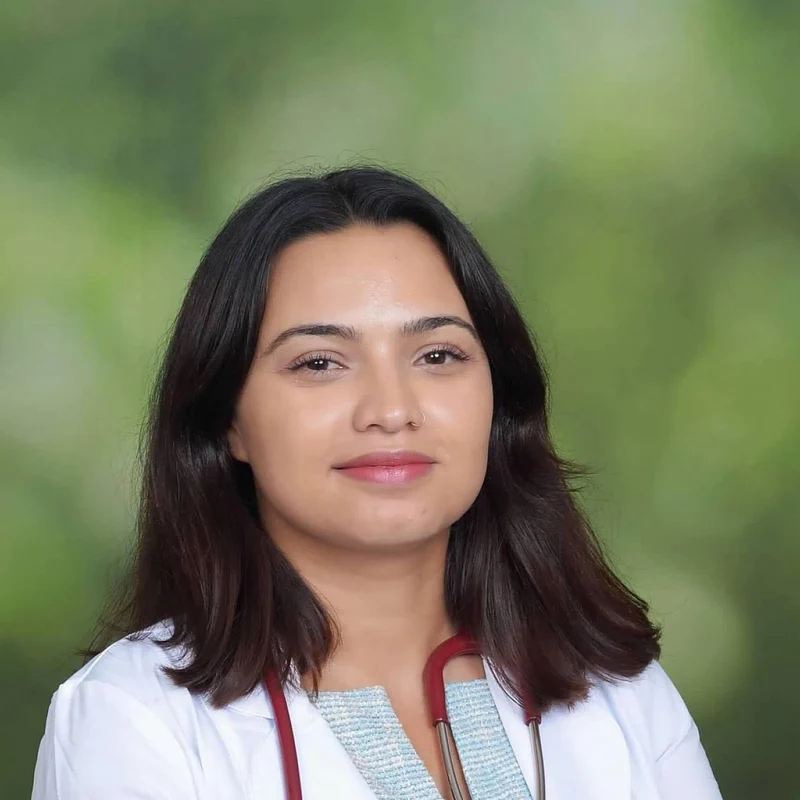
Gandhi Bhattarai, FNP-BC, PMHNP-BC, Anti-Aging/Functional Medicine BC
Triple board-certified nurse practitioner and founder of Arbour Longevity in Ann Arbor. Every article is written from clinic practice and reviewed against current guidelines.
✓ Medically reviewed · Last updated August 19, 2026
How we reviewed this article
Arbour Longevity articles are written by the treating clinician, checked against primary sources (peer-reviewed journals, FDA labeling, Endocrine Society and other specialty guidelines) and re-reviewed when guidance changes. See our editorial policy. Spotted an error? Email info@arbourlongevity.com.
This article is educational and is not a substitute for individualized medical advice. Whether a treatment is appropriate for you is determined during consultation.
Your symptoms have a cause. Let’s find it.
Book a $35 first visit in Ann Arbor. It’s a 30–45 minute consultation with Gandhi Bhattarai, applied toward your plan. Serving Ann Arbor, Ypsilanti, Saline, Dexter, Chelsea, and Michigan by telehealth.





.webp)

