

Untreated Perimenopause: Bone, Heart and Metabolic Effects
Key takeaways
- The clearest long-term cost of untreated perimenopause is bone: spine density fell 10.6 percent over the decade around the final period.
- Bone loss is fastest from one year before the final period to two years after, and your cycle cannot tell you when that starts.
- The menopause transition is a window of rising heart risk, driven by changes in lipids, body fat and blood vessels.
- Fat gain doubles and muscle declines during the transition even when the scale barely moves.
- Hormone therapy prevents bone loss and fracture; it is not prescribed to prevent heart disease.
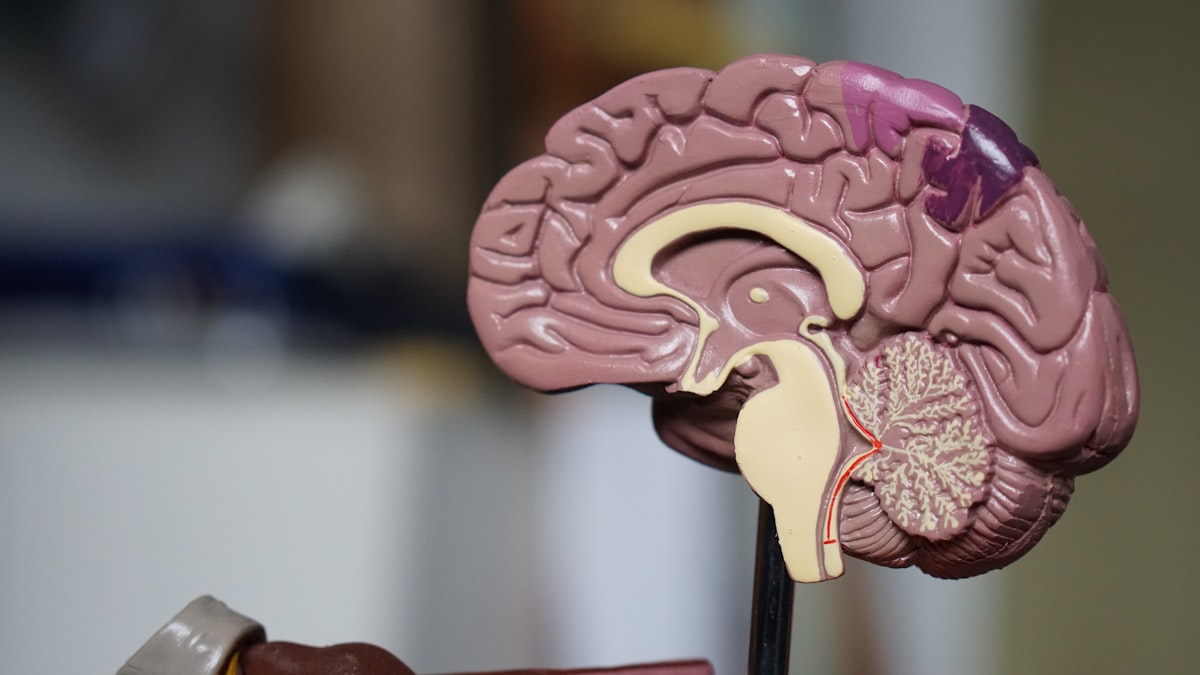
Most perimenopause conversations stop at how you feel this week. The harder question is what the transition is doing to tissue you cannot feel from the inside: bone, arteries, and muscle. Those changes are quiet. They cluster into a surprisingly narrow window of a few years. And they are the part of this transition genuinely worth acting on early.
Looking for treatment rather than the long view? Start with our full guide to perimenopause treatment in Ann Arbor, which covers testing, treatment options, timelines, and cost. This article answers a different question: what the transition changes in bone, heart, and metabolism over years, and how much of that is supported by evidence.
Short answer: The strongest long-term evidence concerns bone. Spine bone density falls fastest in a window running from about one year before your final menstrual period to two years after it. Women in the Study of Women's Health Across the Nation lost a cumulative 10.6 percent of spine density across the surrounding decade. Heart and body-composition changes also cluster around the transition. But those are shifts in risk to be measured and managed, not a verdict. The real cost of leaving perimenopause unexamined is not knowing where you stand while that window is open.
Why the long view gets skipped
Symptom relief is urgent and visible, so it takes the whole appointment. Bone density, blood lipids, and lean muscle produce no symptoms at all until much later. So they rarely come up at 44, and often come up for the first time after a fracture at 68. There is a practical problem too. The fastest changes are anchored to your final menstrual period, and you can only identify that date in hindsight, a full year after it has passed.
If you are still working out whether what you are feeling is the transition at all, our guide to perimenopause, the stage most doctors miss is the better starting point. This article assumes you already suspect you are in it.
Bone: the clearest long-term cost
Bone is where the evidence is strongest and the timing is most specific. The Study of Women's Health Across the Nation followed women through the transition with repeated bone density scans. Loss began about one year before the final menstrual period. It slowed, without stopping, roughly two years after it. Across that ten-year observation period, cumulative lumbar spine loss averaged 10.6 percent, and 7.38 percent of it occurred inside that three-year window. At the femoral neck (the top of the thigh bone), cumulative loss was 9.1 percent, with 5.8 percent in the same window (Greendale et al., J Bone Miner Res 2012; PMID 21976317).

Rates were not uniform between women. In that same cohort, higher body mass index and African American heritage were associated with slower loss. Japanese and Chinese ancestry were associated with faster loss. Your own trajectory is not the average.
The awkward part is that your cycle will not announce any of this. A later analysis of the same cohort put it plainly: changes in menstrual bleeding patterns cannot reliably tell us whether rapid bone loss has begun or is imminent. That study pointed instead to anti-Mullerian hormone, which declines as women approach their final period. It was associated with both future and ongoing bone loss (Karlamangla et al., J Bone Miner Res 2022; PMID 35373854). This is the single strongest argument for measuring rather than waiting. Bleeding changes still matter in their own right. Our guide to why your period got heavier after 40 covers which patterns are common in perimenopause and which ones warrant evaluation.
Bone is also where the treatment evidence is strongest. The Menopause Society's 2022 position statement concludes that hormone therapy has been shown to prevent bone loss and fracture. It also addresses women younger than 60 or within ten years of menopause onset who have no contraindications (reasons not to use it). For them, the benefit-risk balance is favorable for preventing bone loss and for treating bothersome hot flashes and night sweats (PMID 35797481).
Heart and vessels: a real risk shift, described accurately
In 2020 the American Heart Association devoted a scientific statement to this exact question. Its conclusion: the menopause transition is a period of accelerating cardiovascular (heart and blood vessel) risk. The drivers are measurable changes in body composition, lipids and lipoproteins, and vascular health. Midlife is therefore a critical window for early prevention (El Khoudary et al., Circulation 2020; PMID 33251828).
There is also evidence that the symptoms themselves carry information. In the same cohort, women with frequent hot flashes and night sweats at baseline had a higher rate of later cardiovascular events than women with none. Women whose frequent symptoms persisted across visits had the highest rate of all. Keep the scale in view: 231 events occurred among 3,083 women followed for up to 22 years, and the reported hazard ratios were 1.51 and 1.77 respectively (Thurston et al., J Am Heart Assoc 2021; PMID 33470142). That makes frequent symptoms a sensible prompt to check your risk factors properly. It does not make them a diagnosis, and an association of this kind is not proof of cause.
Here is the boundary that matters, and it cuts against how this topic is usually sold. Hormone therapy is not a cardiovascular prevention treatment, and current professional guidance does not support prescribing it for that purpose. What the midlife window does support is ordinary, unglamorous prevention started earlier: blood pressure, a lipid panel that includes apolipoprotein B, glucose handling, sleep, strength training, and tobacco.
Want a baseline while the window is open?
Your $35 first visit covers a full history and the labs that track bone, heart and metabolic risk, with the fee applied toward your plan.
Book your $35 first visit Call (734) 436-3357
Body composition: the change the scale hides
The same cohort measured body composition by DXA scan rather than trusting the bathroom scale, and the result is worth knowing. At the start of the transition the rate of fat gain doubled and lean mass began to decline. Both continued until about two years after the final period, after which the trajectories flattened. Total weight, meanwhile, climbed in a straight line through premenopause, with no acceleration at the transition at all (Greendale et al., JCI Insight 2019; PMID 30843880).

So the common experience of your body changing shape while the number on the scale barely moves is neither imagination nor a failure of discipline. It is fat mass replacing lean mass. It also explains why the most valuable thing to protect in this window is muscle. That is a strength training and protein question before it is a hormone question. Our hormone optimization programme addresses those together rather than separately.
What untreated perimenopause does not mean
Perimenopause is a normal life stage, not a disease, and passing through it without treatment does not condemn anyone. Symptoms of mood, focus, and broken sleep are genuinely miserable and worth treating on their own terms. But for most women they are tied to the years of hormonal instability and settle as the transition completes. Bone and vascular changes are different in kind, because they accumulate rather than pass. That distinction is the honest reason to take the long view seriously, and it is a far better reason than fear.
You will see the 2002 Women's Health Initiative results used in both directions: to frighten women away from hormone therapy entirely, and to wave away risk that is real. Neither reading is accurate. The detail that resolves most of the argument is timing.
Those trials used oral conjugated equine estrogens, with medroxyprogesterone acetate for women who still had a uterus. The mean age at enrollment was 63. Most participants were well past the transition rather than in it.
A later age-stratified analysis split the results by time since menopause. Among women within ten years of menopause, the hazard ratio for coronary heart disease was 0.76 (95 percent CI 0.50 to 1.16), an estimated absolute difference of 6 fewer events per 10,000 person-years. Among women 20 or more years past menopause it was 1.28 (95 percent CI 1.03 to 1.58), or 17 more events per 10,000 person-years. Stroke risk was elevated overall, hazard ratio 1.32, and that did not vary significantly with time since menopause (Rossouw et al., JAMA 2007; PMID 17405972).
That pattern is the timing hypothesis. It is why your age and your years since your final period matter more than the word hormone.
Across 18 years of follow-up, all-cause mortality was 27.1 percent in the hormone therapy groups and 27.6 percent in the placebo groups, a hazard ratio of 0.99 (Manson et al., JAMA 2017; PMID 28898378). The risks recorded in these trials were real and deserve an individual conversation. They were also small in absolute terms and heavily dependent on when treatment began. Both halves of that sentence are true at once. For the practical version, see BHRT versus HRT and hormone therapy for women over 40.
How we measure long-term risk at Arbour Longevity
The fastest bone and vascular changes are anchored to a date you can only confirm in hindsight. So the first job is staging: working out roughly where you sit in the transition. We use your cycle history, your symptom pattern, and hormone levels interpreted together rather than one number interpreted alone.
Alongside that, we measure the markers that actually track the risks described in this article. These are a lipid panel including apolipoprotein B, fasting glucose and insulin with HbA1c, blood pressure, a full thyroid panel, and vitamin D. Where your history warrants it, we add a baseline DXA bone density scan so that any future loss has something to be compared against. Body composition is followed as lean and fat mass rather than as weight, for the reason described above.
What follows depends on the findings rather than a template. Some women need bone-directed care and nothing else. Some need cardiometabolic work. Some need symptom treatment, which is where hormone replacement therapy and our menopause specialist services come in. Most need some combination of the three, reviewed as things change.
What to expect at your visit
The first visit runs about 60 minutes with Gandhi Bhattarai, FNP-BC, PMHNP-BC. She is a triple board certified nurse practitioner in family practice, psychiatric-mental health, and anti-aging and functional medicine. We take a full history: your cycle timeline, fracture and family history, cardiometabolic history, and any reason hormone therapy would not be appropriate for you. That includes a history of estrogen-sensitive cancer, active clotting disease, or unexplained vaginal bleeding.
The initial consultation at Arbour Longevity is $35, applied toward any treatment you pursue. You can book online or call our Ann Arbor office at (734) 436-3357.
Parking is free and directly outside, with no meters and no parking structure. Suite 15 is down a flight of stairs, so please call ahead if stairs are difficult for you.
Frequently Asked Questions
Does untreated perimenopause cause permanent harm?
For most symptoms, no. Sleep, mood, and concentration difficulties are tied to the years of hormonal instability and generally settle once the transition completes. Bone is the clear exception, because density lost around the final menstrual period is not automatically regained. Changes in lipids, blood pressure, and body composition accumulate rather than pass. Those are the parts worth measuring while the window is open.
How much bone density do women lose during the menopause transition?
In the Study of Women's Health Across the Nation, average cumulative loss over the ten years around the final period was 10.6 percent at the spine. At the femoral neck it was 9.1 percent. Roughly seven and six percentage points of that were concentrated in the three years from one year before to two years after the final period (PMID 21976317). Individual rates varied considerably with body mass index and ancestry, so the average is a guide rather than a forecast for any one woman.
Does perimenopause raise heart disease risk?
The American Heart Association's 2020 statement describes the transition as a period of accelerating cardiovascular risk. The drivers are changes in lipids, body composition, and vascular measures rather than chronological age alone (PMID 33251828). That is a reason to check and manage standard risk factors in your forties rather than your sixties. It is not a reason to assume heart disease is coming.
Why is my body changing shape when my weight has barely moved?
Because weight and body composition are not the same measurement. DXA data from the transition show the rate of fat gain doubling and lean mass declining at the same time. Total weight kept rising in the same straight line it had followed beforehand (PMID 30843880). A scale that has not moved can be hiding a real exchange of muscle for fat.
Does hormone therapy protect bone?
Yes, this is one of its best-established effects. The Menopause Society's 2022 position statement concludes that hormone therapy prevents bone loss and fracture. The benefit-risk balance is favorable for bone loss prevention in women younger than 60 or within ten years of menopause onset who have no contraindications (PMID 35797481). Whether it is right for you depends on your history, and that is an individual conversation.
What did the Women's Health Initiative actually find?
Its participants averaged 63 years of age and took oral conjugated equine estrogens, alone or with medroxyprogesterone acetate. In the age-stratified analysis, coronary heart disease risk differed sharply by timing. There were 6 fewer events per 10,000 person-years for women within ten years of menopause, and 17 more for women 20 or more years past it. Stroke risk was raised overall regardless of timing (PMID 17405972). Across 18 years, all-cause mortality was essentially identical between hormone therapy and placebo, 27.1 versus 27.6 percent (PMID 28898378). The honest summary is that timing, dose, route, and your own history decide the balance.
Should I have a bone density scan before menopause?
Sometimes. There is no single rule that applies to every woman before her final period, so we decide from your risk factors. Those include family or personal fracture history, low body weight, thyroid or steroid history, and how far into the transition you appear to be. What we do not do is rely on your bleeding pattern to tell us. Research in this cohort found that menstrual changes cannot reliably signal whether rapid bone loss has started (PMID 35373854).
Will insurance cover the tests that track these long-term risks?
It varies by plan. Bone density scans, lipid panels, HbA1c, and thyroid studies are frequently covered when there is a documented medical reason to order them. We write our requisitions so that reason is clear. Arbour Longevity is a self-pay practice. We give you an itemised visit summary with codes for out-of-network submission, and we accept HSA and FSA funds. For programme pricing, see our perimenopause treatment guide.
Taking the long view
Arbour Longevity, 2217 Packard St #15, Ann Arbor, MI 48104. Thursday through Monday, 10am to 7pm. Closed Tuesday and Wednesday.
If you are somewhere in the transition and nobody has yet looked past this month's symptoms, the useful next step is measurement. Where are you in the window, what are your bones, arteries and body composition doing, and which of those needs attention now rather than in twenty years? None of that requires alarm. It requires a baseline. Book your $35 first visit or call (734) 436-3357.
References
- Greendale GA, Sowers M, Han W, et al. Bone mineral density loss in relation to the final menstrual period in a multiethnic cohort: results from the Study of Women's Health Across the Nation (SWAN). J Bone Miner Res. 2012;27(1):111-118. PMID 21976317. doi:10.1002/jbmr.534
- Karlamangla AS, Shieh A, Greendale GA, et al. Anti-Mullerian hormone as predictor of future and ongoing bone loss during the menopause transition. J Bone Miner Res. 2022;37(7):1224-1232. PMID 35373854. doi:10.1002/jbmr.4525
- El Khoudary SR, Aggarwal B, Beckie TM, et al. Menopause transition and cardiovascular disease risk: implications for timing of early prevention. A scientific statement from the American Heart Association. Circulation. 2020;142(25):e506-e532. PMID 33251828. doi:10.1161/CIR.0000000000000912
- Thurston RC, Aslanidou Vlachos HE, Derby CA, et al. Menopausal vasomotor symptoms and risk of incident cardiovascular disease events in SWAN. J Am Heart Assoc. 2021;10(3):e017416. PMID 33470142. doi:10.1161/JAHA.120.017416
- Greendale GA, Sternfeld B, Huang M, et al. Changes in body composition and weight during the menopause transition. JCI Insight. 2019;4(5):e124865. PMID 30843880. doi:10.1172/jci.insight.124865
- Rossouw JE, Prentice RL, Manson JE, et al. Postmenopausal hormone therapy and risk of cardiovascular disease by age and years since menopause. JAMA. 2007;297(13):1465-1477. PMID 17405972. doi:10.1001/jama.297.13.1465
- Manson JE, Aragaki AK, Rossouw JE, et al. Menopausal hormone therapy and long-term all-cause and cause-specific mortality: the Women's Health Initiative randomized trials. JAMA. 2017;318(10):927-938. PMID 28898378. doi:10.1001/jama.2017.11217
- The 2022 hormone therapy position statement of The North American Menopause Society. Menopause. 2022;29(7):767-794. PMID 35797481. doi:10.1097/GME.0000000000002028
Citations retrieved from PubMed. This article is educational and does not replace individualized medical advice.

Gandhi Bhattarai, FNP-BC, PMHNP-BC, Anti-Aging/Functional Medicine BC
Triple board-certified nurse practitioner and founder of Arbour Longevity in Ann Arbor. Every article is written from clinic practice and reviewed against current guidelines.
✓ Medically reviewed · Last updated August 21, 2026
How we reviewed this article
Arbour Longevity articles are written by the treating clinician, checked against primary sources (peer-reviewed journals, FDA labeling, Endocrine Society and other specialty guidelines) and re-reviewed when guidance changes. See our editorial policy. Spotted an error? Email info@arbourlongevity.com.
This article is educational and is not a substitute for individualized medical advice. Whether a treatment is appropriate for you is determined during consultation.
Your symptoms have a cause. Let’s find it.
Book a $35 first visit in Ann Arbor. It’s a 30–45 minute consultation with Gandhi Bhattarai, applied toward your plan. Serving Ann Arbor, Ypsilanti, Saline, Dexter, Chelsea, and Michigan by telehealth.





.webp)

