

Key takeaways
- Good perimenopause treatment starts with testing the right hormones at the right time, not a single blood draw.
- Perimenopause can begin in your mid-30s and last more than a decade, often while periods are still regular.
- A normal FSH does not rule it out; if your labs look fine but you feel unwell, ask for a fuller panel.
- Bioidentical progesterone, low-dose skin estradiol and sometimes testosterone are matched to your symptoms and labs.
- Most women feel better within a few weeks once the real cause is found; labs are rechecked at 6 to 8 weeks.
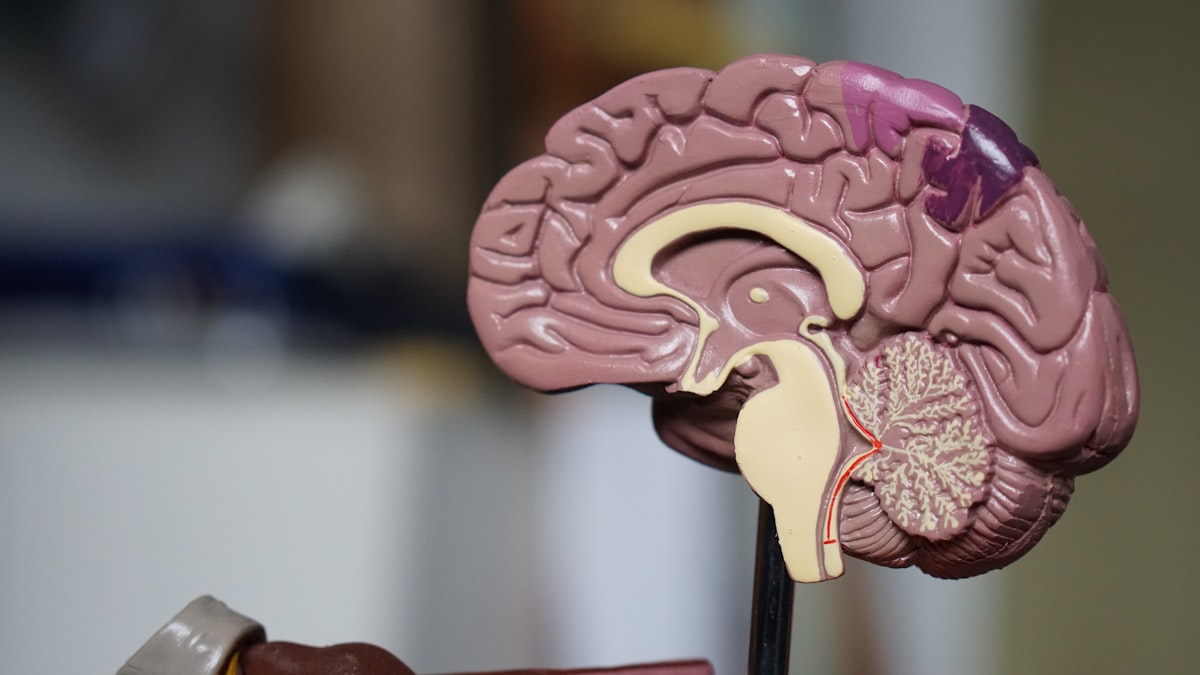
One patient had already seen three doctors before she came to us. She was 44, ran her own business in Ann Arbor, and felt like her brain was failing her. Her periods were still regular. Her main hormone test came back normal. Every doctor told her she was too young for menopause and offered a sleeping pill or an antidepressant.
Here is the short answer. Good perimenopause treatment in Ann Arbor starts with testing the right hormones at the right time, not a single blood draw. At Arbour Longevity we check estrogen, progesterone, and a few related markers, then match treatment to your symptoms. Most women feel better within a few weeks once the real cause is found.
Perimenopause: the stage most doctors miss
Perimenopause is the years-long lead-up to menopause, and it is the most missed hormone stage in women's health. It can start in your mid-30s, last more than a decade, and cause very real symptoms. Yet most women never hear the word at their regular checkup. They are just told their labs are normal.
Here is why it gets missed. In perimenopause your hormones do not fall in a smooth line. Estrogen swings up and down, progesterone slowly drops, and testosterone (a hormone women make too, in small amounts) quietly fades. Your ovaries are still working, just unevenly. So a single blood test on a single day often lands inside the "normal" range, and the diagnosis is missed. It is the same pattern we describe in why your labs look normal but you feel terrible.
The symptoms that get blamed on stress
- Waking at 2 to 4 a.m. and not getting back to sleep
- Hot flashes and night sweats
- Brain fog and trouble finding words
- Belly-area weight gain that will not budge with your old tricks
- Mood swings, more anxiety, a shorter fuse for stress
- Vaginal dryness, painful sex, or lower sex drive
- Heavier or more irregular periods
- New migraines or achy joints
If you are between your mid-30s and mid-50s and several of these show up together, perimenopause is the most likely explanation. The brain fog and fatigue pieces are covered in more depth in brain fog is not normal and fatigue after 40.
Why the usual test misses it
The test most often ordered is FSH (follicle-stimulating hormone, a brain signal that rises as the ovaries slow down). The catch: FSH only climbs reliably in late perimenopause. In the early phase, when most women first notice symptoms, it can read normal for years. So a "normal FSH" does not rule perimenopause out.
The better approach is symptoms first, labs second. That means a careful history plus a fuller panel, read by someone who knows the pattern. The panel covers:
- Estrogen and progesterone
- Total and free testosterone with SHBG (the protein that binds hormones so tissues cannot use them)
- FSH and LH (luteinizing hormone, the other brain signal to the ovaries)
- A full thyroid panel
- Metabolic markers
What I see in clinic: women who were told "you're too young" in their late 30s often lose years to preventable symptoms. The history usually tells the story before the labs do.
What regular care often misses about perimenopause
Most clinics wait for irregular periods or a high FSH before they think about hormones. By then many women have struggled for years. Those waiting years matter for bone and heart health too. We cover that separately in the long-term cost of untreated perimenopause.
The problem is the test timing. A single FSH check often lags behind the real hormone swings that cause symptoms. Many women feel brain fog, broken sleep, and mood changes long before their cycle changes in an obvious way.
Many clinicians still use the old rule that menopause is not official until 12 months without a period. That leaves the perimenopause years under-recognized. A woman with real symptoms and regular cycles is told nothing is wrong because her FSH has not crossed a line yet. If your labs looked normal but you did not feel normal, you are not imagining it. Our post on what a real clinic offers that content sites cannot covers the difference a proper workup makes.
What is actually happening in your body
Perimenopause is not simply low estrogen. Think of estrogen during this phase less like a slow sunset and more like a flickering light: up one week, down the next. That instability is what causes the symptoms, and it often starts in the late 30s or early 40s.

Brain fog. Estrogen supports the brain regions that handle memory and focus, the hippocampus and prefrontal cortex. When estrogen swings, those areas feel the strain. That shows up as reaching for words or losing your train of thought. Research suggests starting estrogen therapy near the onset of menopause is linked with better verbal memory for many women.
Sleep loss. Progesterone (the hormone that balances estrogen) converts into a calming brain chemical called allopregnanolone that helps you reach deep sleep. When progesterone drops or becomes uneven, and estrogen swings trigger night sweats, sleep breaks apart. Many women describe waking suddenly around 2 to 4 a.m. for no clear reason, rather than classic hot flashes.
Mood changes. Estrogen helps steady serotonin, a brain chemical tied to mood. When estrogen drops sharply, mood can become erratic. Women with no history of anxiety or depression suddenly feel irritable, anxious, or low. These changes are driven by biology, not weakness. It is one reason hormone care can help when antidepressants alone have not.
Told you're "fine" but you don't feel fine?
The $35 first visit is a full history and the right panel for perimenopause, with the fee applied toward your plan.
Book your $35 first visit Call (734) 436-3357
What I see in clinic
A common pattern is a woman in her mid-40s whose periods are still fairly regular. She wakes at 3 a.m. most nights, feels foggy at work, and is more irritable than usual. Her past workup checked thyroid and stopped there. When we test across the cycle, we often find low progesterone in the second half of the month and estrogen with nothing to balance it. The symptoms are hormonal, not a character flaw. Many women in this pattern feel like themselves again within about six weeks of the right plan.
The Arbour Longevity approach to perimenopause treatment
We start with fuller hormone testing than the single check most offices order. We measure estradiol (the main estrogen), progesterone, FSH, LH, and total and free testosterone. We add DHEA-S (an adrenal hormone) and cortisol (your stress hormone), often at more than one point in the cycle. We also run a full thyroid panel including reverse T3, plus a few metabolic markers, because they all affect how strong your symptoms feel. If you are curious which tests matter, see the 5 blood tests your doctor is not ordering.
Treatment is built for you, and we use bioidentical hormones only (hormones that match the ones your body makes), never synthetics. Some women do best with progesterone alone to restore sleep and steady mood. It is taken at night, and it also protects the lining of the uterus. Others also need a low dose of estradiol, often through the skin as a patch or gel. That route gives steadier levels than pills and skips the first pass through the liver. It is also the safest route for heart and clotting risk. If your free testosterone is low and you have matching symptoms, we may add it. Depending on what your labs show, we may also add metabolic, nutrition, or intimate-wellness support. Pellets (rice-sized implants under the skin) come up often as an alternative, and we weigh them honestly in hormone pellet therapy pros and cons. You can read more in our guide to bioidentical hormone therapy in Ann Arbor.
We watch closely. We recheck labs at about six to eight weeks, then at three and six months through the first year. Small dose changes are normal early on while we fine-tune the plan to you. If your periods have also gotten heavier, our post on why your period got heavier after 40 covers when that needs a closer look.
What to expect at your visit
The first visit lasts about 60 minutes and costs $35, applied toward any treatment you pursue. You meet a clinician who takes a full history: not just your cycle, but your sleep, focus, mood, energy, and how symptoms hit your daily life. We also review any reasons hormone therapy might not be safe for you. Those include a history of estrogen-sensitive cancer, active blood clots, or unexplained vaginal bleeding. There is a fuller walkthrough of the appointment itself in what to expect at your first hormone therapy visit.
Labs are ordered to fit your picture and your cycle timing, with results usually back within a week. Most patients return about two weeks later to review results and start treatment if it fits. Sleep and mood often improve in two to four weeks. Foggy thinking and hot flashes may take six to eight weeks to settle. We adjust based on how you feel and what your follow-up labs show. The week-by-week picture, and the monitoring schedule behind it, is set out in how long hormone therapy takes to work.
Frequently Asked Questions
What is the difference between perimenopause and menopause?
Perimenopause is the transition leading up to menopause. It usually begins in the 40s, sometimes earlier, and is marked by hormones that swing up and down. Menopause is the single point when you have gone 12 months in a row with no period. Symptoms during perimenopause are often harder than after menopause, because the hormones are unstable rather than just low. For care once you are through the transition, see menopause treatment in Ann Arbor.
Can perimenopause really start at 35?
Yes. The average age of menopause is 51, but symptoms can begin a decade or more earlier. A mid-30s start is not unusual. Waiting "until your forties" to look into it costs many women years of avoidable suffering.
How long does perimenopause last?
Most women are in perimenopause for about four to eight years, but it varies widely. Some pass through in two to three years, and others have symptoms for a decade or more. It ends one year after your last period, which is menopause. How strong your symptoms are does not predict how long it will last.
What are the first signs of perimenopause?
Early signs are often easy to blame on something else. Common ones include waking between 2 and 4 a.m. with no night sweats, cycles that get shorter or longer, new irritability or anxiety, and trouble finding words. Many women notice foggy thinking before any hot flashes. Changes in sex drive and vaginal dryness can also show up. These can start months or years before cycles change.
My FSH is normal. Does that rule out perimenopause?
No. FSH rises in late perimenopause but is often normal early and mid-stage. The diagnosis is based on your symptoms first. A normal FSH does not rule it out.
How does hormone testing diagnose perimenopause?
We measure estradiol, progesterone, FSH, and LH at specific points in your cycle to capture the swings that mark perimenopause, rather than relying on one reading. Unlike menopause, where FSH stays high, perimenopause shows erratic estrogen, low progesterone, and variable FSH. Testing also rules out thyroid and adrenal issues that mimic the symptoms.
Can hormone therapy help with perimenopause brain fog?
For many women, yes. Estrogen supports the brain areas used for memory and focus, and steadying it can help thinking feel clearer. When brain fog comes with poor sleep, restoring progesterone often improves sleep, which helps daytime focus. Most women who respond notice a change within about six to eight weeks.
Is bioidentical hormone therapy safe for perimenopause?
For carefully screened women, bioidentical hormone therapy using skin estradiol and micronized (finely ground) progesterone has a favorable safety profile. It does not carry the same clot and stroke risk as the older oral estrogen pills from the original 2002 studies. Starting during the transition is linked with bone and heart benefits not seen when therapy begins many years after menopause. It is not right for everyone. A history of estrogen-sensitive cancer, active blood clots, or unexplained vaginal bleeding needs evaluation first. How these compare with older conventional formulas is covered in bioidentical versus conventional hormone therapy.
Will hormone therapy make me gain weight?
Generally no. Balanced hormones plus better sleep often make midsection weight easier to manage, not harder. Weight gain in perimenopause is driven more by falling hormones, muscle loss, and insulin changes than by treatment.
Does insurance cover perimenopause treatment?
Coverage varies by plan. Diagnostic labs are often covered when medically indicated. Many bioidentical hormone prescriptions are covered under pharmacy benefits, though compounded versions may not be. Arbour Longevity is a self-pay practice. We provide detailed visit summaries and codes you can submit for out-of-network reimbursement, and we accept HSA and FSA funds.
Do I have to wait for irregular periods to get help?
No. Many women have sleep, mood, and focus symptoms while their periods are still regular. You do not have to wait for your cycle to change before getting tested and treated. Earlier care often means faster relief.
How much does perimenopause treatment cost in Ann Arbor?
Your first visit is $35, applied toward treatment. Lab costs vary with the panels ordered, and prescription costs vary by type and pharmacy. BHRT programs start at $299 per month. We review expected costs with you up front so there are no surprises. For a fuller breakdown across Michigan, see how much BHRT costs in Michigan.
If this sounds familiar
Do these symptoms match what you have been living with? Have your concerns been brushed off as stress? Then it is worth checking whether a hormone transition is the cause. Perimenopause is not something you should have to endure without support. If you are weighing where to go, what to look for in a hormone therapy clinic near Ann Arbor lays out the questions worth asking.
Arbour Longevity is at 2217 Packard St #15, Ann Arbor, MI 48104, open Thursday through Monday, 10am to 7pm. The $35 consultation is built for this exact conversation. Book your $35 first visit or call (734) 436-3357.
References
- The Menopause Society. The 2022 Hormone Therapy Position Statement. Menopause, 2022.
- American College of Obstetricians and Gynecologists. The Menopause Transition: Perimenopause.
- Maki PM, et al. Perimenopausal depression and cognition: the role of estrogen in the brain.
- National Institute on Aging. What Is Menopause?
- Harlow SD, Gass M, Hall JE, et al. (2012). Stages of Reproductive Aging Workshop + 10. J Clin Endocrinol Metab.
- Stuenkel CA, et al. (2015). Treatment of Symptoms of the Menopause: Endocrine Society Guideline.
- Davis SR, Wahlin-Jacobsen S. (2015). Testosterone in women. Lancet Diabetes & Endocrinology.
This article is educational and does not replace individualized medical advice.

Gandhi Bhattarai, FNP-BC, PMHNP-BC, Anti-Aging/Functional Medicine BC
Triple board-certified nurse practitioner and founder of Arbour Longevity in Ann Arbor. Every article is written from clinic practice and reviewed against current guidelines.
✓ Medically reviewed · Last updated August 21, 2026
How we reviewed this article
Arbour Longevity articles are written by the treating clinician, checked against primary sources (peer-reviewed journals, FDA labeling, Endocrine Society and other specialty guidelines) and re-reviewed when guidance changes. See our editorial policy. Spotted an error? Email info@arbourlongevity.com.
This article is educational and is not a substitute for individualized medical advice. Whether a treatment is appropriate for you is determined during consultation.
Your symptoms have a cause. Let’s find it.
Book a $35 first visit in Ann Arbor. It’s a 30–45 minute consultation with Gandhi Bhattarai, applied toward your plan. Serving Ann Arbor, Ypsilanti, Saline, Dexter, Chelsea, and Michigan by telehealth.






.webp)

