Key takeaways
- The P-Shot injects platelet-rich plasma, the healing factors spun out of your own blood, into erectile tissue.
- It targets blood flow, the root cause of most erectile dysfunction, instead of borrowing function for a few hours.
- Pooled trials show a real benefit, but some reviews still call the evidence limited.
- It works best as one layer of a plan, alongside shockwave therapy and hormone care.
- It is not a guaranteed fix, not a substitute for a heart and hormone workup, and not a penis-enlargement procedure.

If you've looked beyond a Viagra prescription, you've probably run into the P-Shot. It comes wrapped in hype on one side and dismissal on the other. Here's the honest middle. Erectile dysfunction (ED) means trouble getting or keeping an erection. The P-Shot uses growth factors from your own blood to support the tissue and blood flow behind erections. It can help the right man. But it's not magic, and the evidence is still building. For a broader look at treatment options, see Arbour's erectile dysfunction program.
What the P-Shot actually is
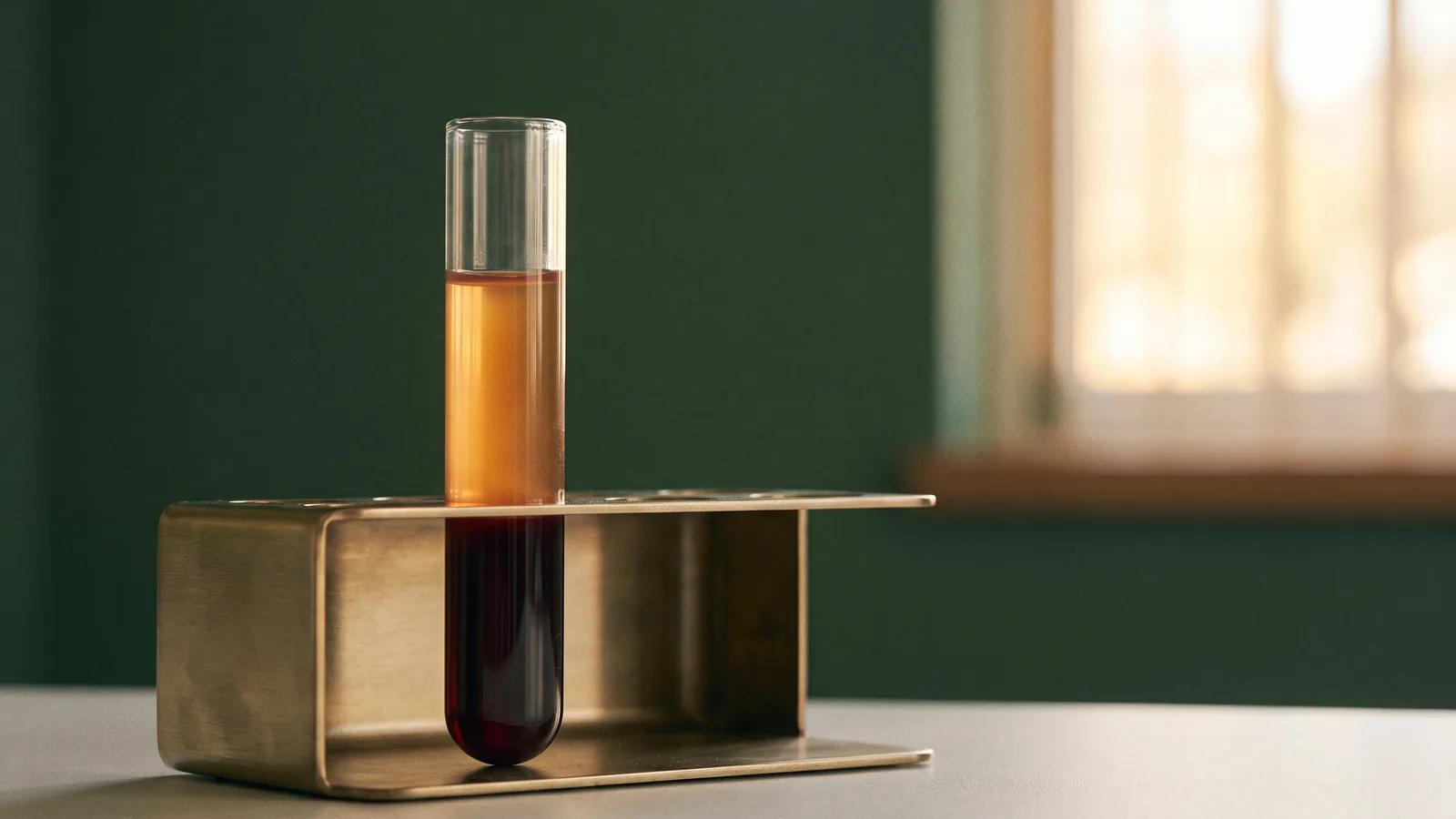
"P-Shot" (Priapus Shot) is a brand name for a specific PRP (platelet-rich plasma) procedure. PRP is a concentrate of your own blood platelets, rich in growth factors. Here is how the visit works:
- We draw a small amount of your blood.
- We spin it in a centrifuge to concentrate the platelets.
- We numb the area.
- We inject the concentrated plasma into the erectile tissue.
Over the following weeks, those platelets release growth factors. Those growth factors signal the tissue to repair, build new tiny blood vessels, and improve circulation. It's the same PRP idea used in joints, skin, and hair. The visit takes about an hour. There's no real downtime, and you avoid sex for 24–48 hours.
Why we offer it. The growth factors in concentrated platelets are the same signals the body uses to build new small blood vessels and repair tissue. That is exactly what erectile tissue depends on. A 2024 meta-analysis (a study that pools the results of many trials) in The Aging Male covered 413 men across four trials. Those were randomized controlled trials, where men are assigned by chance to PRP or a placebo (an inactive look-alike treatment). PRP outperformed placebo on International Index of Erectile Function scores (a standard erection questionnaire) at one, three, and six months. A separate 2024 review in Sexual Medicine Reviews pooled three randomized trials. It described PRP as a safe and effective option for mild-to-moderate ED. That is a real evidence base for a treatment drawn from your own blood.
Why this targets the real cause of ED
An erection is a blood-flow event. Most ED is a blood-vessel problem: the small penile arteries struggle before the bigger ones do. Pills like Viagra amplify the signal for a few hours but don't fix the tissue. Regenerative treatments (ones that help the body repair its own tissue) like PRP and shockwave aim at the tissue itself. That's the whole premise of ED is a blood-flow problem, not an age problem. The P-Shot is often paired with shockwave therapy.
Wondering if you're a good candidate?
Your $35 first visit at Arbour Longevity in Ann Arbor is a private, unhurried ED workup, and the $35 is applied toward your plan.
Book your $35 first visit Call (734) 436-3357
What the evidence honestly shows
I'll give you the honest read, not the sales pitch. On the positive side, a 2025 pooled analysis of randomized trials found PRP significantly improved erection scores versus placebo. Side effects were rare and mild. A 2025 study also found it reduced curvature in Peyronie's disease (a condition that bends the penis). On the cautious side, the Cleveland Clinic and some urology reviews still call the overall evidence limited and inconsistent. Part of the reason is that studies use different PRP recipes and methods. The fair summary: PRP is a reasonable regenerative option with a growing evidence base and a low risk of harm. It's better than the skeptics say and less certain than the marketing claims. It's most useful for men with mild-to-moderate, blood-flow-related ED.

Who it helps - and who it doesn't
The best fits are:
- A man in his 40s–50s with gradual, mild-to-moderate ED.
- A man being treated for low testosterone (the main male sex hormone) who still has a mechanical gap.
- A man with early Peyronie's.
- A man who'd rather address the tissue than take a daily pill.
It's not the right tool for:
- Severe end-stage vascular (blood-vessel) disease.
- Uncontrolled heart disease, which needs medical treatment first.
- ED that's mainly nerve-related, such as after prostate surgery.
Low testosterone should be checked either way. See testosterone therapy and SHBG (the protein that binds testosterone in the blood).
What I see in clinic: the P-Shot rarely works as a solo act. The men who get real, lasting results also fixed blood flow, hormones, weight, and sleep. The shot is one layer of a plan, not the whole plan.
What it's not
Being straight with you, the P-Shot is:
- Not a guaranteed fix.
- Not a substitute for a heart and metabolic check. New ED can be an early warning sign.
- Not a permanent one-time cure. Most men re-treat once or twice a year.
- Not a penis-enlargement procedure. There's no credible evidence PRP increases size, despite some marketing claims.
What the procedure feels like
We use numbing cream, plus a nerve block (a numbing injection) when needed. Most men describe pressure and a brief pinch. It's shorter and easier than expected, with mild tenderness for a day or two. There's no real downtime. Early changes in firmness and sensitivity usually show up at 4–8 weeks. Fuller benefit comes by 8–12 weeks and lasts several months before a touch-up.
Frequently Asked Questions
Does the P-Shot actually work?
Recent pooled trial data show a real improvement in erection scores versus placebo, but it's not universal. Men with mild-to-moderate blood-flow-related ED and healthy or well-treated testosterone respond best. Severe vascular or nerve-related ED responds less well.
How does it compare to shockwave therapy?
They're complementary, not competing. Shockwave stimulates new blood-vessel growth with sound waves. PRP delivers growth factors directly to the tissue. Many men do both, sequenced together.
Will I still need Viagra or Cialis afterward?
Some men need less, some stop, and some keep using a pill now and then. The goal is to improve the underlying tissue so the medication does less of the work.
Are there side effects?
They're rare and usually mild. The most common is brief soreness or bruising at the injection site. Because it uses your own blood, allergic reactions aren't a concern.
Can I have it if I'm on blood thinners or have heart disease?
Active blood thinners usually need review first. Uncontrolled heart disease needs medical treatment and coordination with your cardiologist. We assess your candidacy at the consult.
How much does it cost?
The P-Shot is $2,000 per treatment and isn't included in any membership tier. The initial consultation is $35 and is credited toward your plan if you proceed. We accept HSA/FSA, major cards, and Klarna/Affirm financing.
The next step
If a daily pill isn't the answer you want, or it's stopped working, the right next step is a real workup. You want someone who treats ED as the blood-flow and hormone condition it is. That is what the $35 first visit at Arbour Longevity is built for. Book your $35 first visit online or call (734) 436-3357.
Arbour Longevity · 2217 Packard St #15, Ann Arbor, MI 48104 · (734) 436-3357 · Thursday through Monday, 10am to 7pm.
References
- Ragheb AM, et al. (2025). Intracavernosal platelet-rich plasma therapy for erectile dysfunction: current evidence. UroPrecision.
- Poulios E, et al. (2021). Platelet-Rich Plasma Improves Erectile Function: A Double-Blind, Randomized, Placebo-Controlled Trial. J Sex Med.
- Geyik FD, et al. (2025). PRP injections for Peyronie's disease: a prospective study. J Sex Med.
- Cleveland Clinic. (2024). Priapus Shot (P-Shot): How It Works, Benefits & Risks.
This article is educational and does not replace individualized medical advice.

Gandhi Bhattarai, FNP-BC, PMHNP-BC, Anti-Aging/Functional Medicine BC
Triple board-certified nurse practitioner and founder of Arbour Longevity in Ann Arbor. Every article is written from clinic practice and reviewed against current guidelines.
✓ Medically reviewed · Last updated August 21, 2026
How we reviewed this article
Arbour Longevity articles are written by the treating clinician, checked against primary sources (peer-reviewed journals, FDA labeling, Endocrine Society and other specialty guidelines) and re-reviewed when guidance changes. See our editorial policy. Spotted an error? Email info@arbourlongevity.com.
This article is educational and is not a substitute for individualized medical advice. Whether a treatment is appropriate for you is determined during consultation.
Your symptoms have a cause. Let’s find it.
Book a $35 first visit in Ann Arbor. It’s a 30–45 minute consultation with Gandhi Bhattarai, applied toward your plan. Serving Ann Arbor, Ypsilanti, Saline, Dexter, Chelsea, and Michigan by telehealth.