
Plexr vs CO2 Laser | Plasma Soft Surgery vs Fractional Resurfacing, Ann Arbor
Key takeaways
- Plexr Plus and CO2 laser are different tools for different jobs, not two versions of one treatment.
- A plasma pen is not a laser. It has no beam and treats tiny points just above the skin.
- CO2 laser is the better tool for pitted acne scars and sun damage across a whole face.
- Plexr has the edge on the eyelid, where skin is thinnest and the margin for error is smallest.
- In deeper skin tones, the risk of dark marks after healing often drives the choice.
The core difference is shape, not power. A CO2 laser treats an area of skin. It removes tissue in a controlled heat pattern. Plexr Plus treats single points at the surface. There is no beam, and the skin around each point is left alone. That is why it can work a few millimetres from the lash line.
The short version. Plexr Plus is an FDA-cleared plasma soft surgery device for precise, focal work. That means eyelid laxity (loose, sagging skin), non-surgical blepharoplasty (an eyelid lift without a scalpel), small lesions and defined bands of loose skin. CO2 laser remodels large fields. Think heavy sun damage, atrophic acne scarring (pitted scars below the skin surface) and texture change across a full face. Around the eyes, the two are often used in sequence, not chosen between.
What Is a Plasma Pen, and Is It a Laser?
No. A plasma pen is not a laser, and the two work in different ways. A fine probe is held a fraction of a millimetre above the skin. It never touches it. The charge across that tiny gap turns the air into plasma. The micro-arc lands on one point of tissue, which passes straight from solid to vapour. That is sublimation (a solid turning to gas with no liquid stage). The medical term for the technique is plasma exeresis (removal of tissue with a plasma arc). Some papers call it voltaic arc dermabrasion. Plexr Plus, the device we use for plasma pen treatment at Arbour, is FDA-cleared.
Two things follow. You see some tightening during the visit itself, because removing tissue at the surface draws the skin around it inward. And the energy stays at the surface. It is not driven downward.
A laser works on a different principle: selective photothermolysis (light at a chosen wavelength is absorbed by one target and heats it). Anderson and Parrish set this out in 1983. Brief pulses of light that one structure absorbs cause selective damage to that structure. Precise aiming is not needed. The target's own optical and thermal properties provide the selectivity (Anderson and Parrish, Science, 1983, DOI). The clinician picks the wavelength, and the wavelength picks the target.
That target can be water, pigment or blood vessels. Skin-resurfacing lasers aim at water, which is in all living tissue. So they remove a set thickness of skin rather than picking out a colour. Other lasers aim at other targets. Short-pulse Nd:YAG is described as a transformative tool for Fitzpatrick types 4 to 6 (a 1-to-6 scale of skin tone, from very fair to deeply pigmented). It targets melanin, haemoglobin and water. Gains were reported in hyperpigmentation, acne, fine lines and scar texture (Chao et al., 2023, DOI). Plasma has no such mechanism. It turns whatever tissue sits under the arc to vapour.
Both roads lead to the same biology. Laser resurfacing makes a controlled skin injury. The wound healing that follows lets collagen (the protein that keeps skin firm) remodel, and that is what improves texture and tone (Angra et al., 2021, PubMed). Plasma gets to the same place by another road, as the eyelid imaging study below shows. The rest of this article compares Plexr Plus with one laser in particular: the CO2 laser.
Two Different Instruments for Two Different Jobs
How Plexr Plus works
The tip never touches skin. It ionises the gas in the gap between tip and tissue. The plasma arc then turns a microscopic point of the epidermis (the outer layer of skin) to vapour and leaves a small carbon crust. There is no beam and no optical depth to control.

The energy is intense, brief and shallow. Thermal imaging during plasma treatment of benign facial lesions recorded a mean skin surface temperature of 290.3°C during the arc. It fell to 90.6°C right afterwards (Scarano et al., Aesthetic Plast Surg, 2020, DOI). That steep drop is the point. Energy is spent at the surface, not pushed beneath it.
A pilot study imaged upper eyelid skin in ten patients after three plasma sessions, using reflectance confocal microscopy. Dermatochalasis (loose, hooded upper eyelid skin) improved by a mean of 2.6 ratings on the facial laxity rating scale. Collagen was classed as long straight fibres in every case, with no serious adverse events (Rossi et al., Dermatol Surg, 2018, DOI).
How CO2 laser resurfacing works
A CO2 laser emits light at 10,600 nm, a wavelength that water absorbs strongly. Skin is mostly water, so the beam vaporises tissue to a set depth. It leaves a rim of heat injury beneath, and that rim drives the collagen response. Fully ablative (tissue-removing) treatment strips the whole epidermis across the field. Fractional CO2 removes columns of tissue and leaves untreated skin between them. Those intact islands heal the treated ones, so healing is faster.
The trade-off is real. Fully ablative treatment worked better for actinic keratosis (rough, sun-damaged patches), at the cost of longer healing (Tai et al., 2021, DOI). Ablative fractional treatment gave significantly greater gains in skin laxity and texture than non-ablative fractional treatment. It also gave greater reduction in acne scarring and skin redundancy (Tierney et al., Dermatol Surg, 2009, DOI). A multicentre study documented fractional ablative CO2 across rhytides (wrinkles), photoaging, scars and striae (stretch marks) with one device (Alexiades-Armenakas et al., J Drugs Dermatol, 2011, PubMed).
Where CO2 Is Clearly the Right Instrument
Atrophic acne scarring. A randomised study of 40 patients compared two plans. One arm had subcision (a needle technique that frees the scar from below) plus fractional CO2. The other had subcision plus polydioxanone screw threads. The CO2 arm showed a significantly greater drop in scar severity and depth (p = 0.022), and patients were happier with it. The thread arm healed faster (Abdo et al., Arch Dermatol Res, 2025, DOI). That trade is the whole debate in miniature. More remodelling costs more healing time.
Diffuse sun damage and texture. When the problem covers a field, you need a tool that treats a field. Plasma places single points. A fractional laser lays down thousands of tiny columns per pass across a large area in minutes. Erbium, CO2, and ablative, non-ablative and hybrid fractional lasers are all described as effective, popular tools. Advances have made them work better with less downtime (Pozner and DiBernardo, 2016, DOI).
Safety data at scale exists. A systematic review (a structured review of all published studies on a question) of 1,093 patients found adverse events in 9.7% overall. Ablative treatments had a lower rate than non-ablative ones (8.28% versus 12.2%). Hypertrophic (raised) scarring occurred in 0.046% (Mirza et al., Dermatol Ther, 2020, DOI). Our CAT resurfacing service sits in this same field-treatment group. We cover it in our article on CAT resurfacing for skin rejuvenation.
Pairing with surgery. A meta-analysis (a study that pools the results of many trials) looked at laser resurfacing done at the time of a facelift. It pooled 17 studies and 1,361 patients. Pooled satisfaction was 98.1%, and complications were rare. Hypertrophic scarring occurred in 0.51% and lasting dyspigmentation (colour change) in 0.35% (Wen et al., 2026, DOI). Lasers have eyelid data too. Fifty-nine patients had lower blepharoplasty (eyelid surgery) with added fractional CO2. Post-inflammatory hyperpigmentation (dark marks left after skin heals, or PIH) occurred in 3 of 59 (5.1%). Lower eyelid retraction occurred in 1. There were no infections, and all patients were satisfied (Watson et al., 2022, DOI).
The Periorbital and Eyelid Case
Eyelid skin is the thinnest on the body. It sits right over the eye, and it leaves a small margin for error on depth. It is also where plasma soft surgery is used most. In 710 consecutive plasma exeresis patients, over 33% were treated on the upper eyelids and 18% on the lower eyelids. Of those contacted for follow-up, 52.9% were extremely satisfied (Tsioumas et al., J Clin Aesthet Dermatol, 2021, PubMed).
The trial evidence is consistent. Forty women with upper eyelid dermatochalasis had three plasma sessions a month apart. Two blinded dermatologists and two blinded ophthalmologists (eye doctors not told what they were looking at) assessed them three months later. Eyelid laxity on the facial laxity rating scale fell (p < .001), with 36 of 40 patients (90%) showing change. Marginal crease distance increased (p = .001), with no serious adverse events (Hassan et al., 2020, DOI).
Fifty-six women with mild to severe dermatochalasis and eye-area wrinkles followed the same schedule. Hooding and palpebral (eyelid) laxity improved against baseline (p < 0.001). A Reviscometer, a device that measures skin biomechanics, confirmed the change. There were no significant or permanent side effects (Abdollahimajd et al., J Cosmet Dermatol, 2021, DOI).
The depth-control edge is starkest on discrete lesions. Fifteen patients with 27 xanthelasma palpebrarum lesions (yellowish cholesterol deposits on the eyelids) were treated with a Plexr device. After a single session all 27 cleared completely. There were no scars, no pigment change and no recurrence at 12 months. The authors credited the method's control over the depth of tissue destruction (Rubins et al., Acta Dermatovenerol Alp Pannonica Adriat, 2020, PubMed). A separate series of 71 eyes in 66 patients removed every benign eyelid lesion in one treatment. Mean procedure time was 4.0 minutes. Three cases (4.2%) had mild irritation afterwards (Ucar and Unluzeybek, 2024, DOI).
None of this means CO2 cannot work around the eye. A split-face study treated one side with fractional CO2 thirty days before upper eyelid surgery, then analysed the removed skin. Type I and type III collagen were both significantly higher on the treated side (p < 0.0001) (de Filippi Sartori et al., Aesthet Surg J, 2022, DOI). The real question is different. Does a focal eyelid concern justify a full-field healing period? Reviews of non-surgical blepharoplasty list both as credible options for skin with excess and lost elasticity together. Each has a niche (Miotti et al., World J Clin Cases, 2023, DOI; Theodorelou-Charitou et al., J Plast Reconstr Aesthet Surg, 2021, DOI).
Two honest limits on the plasma side. Severity: a study of 21 eyes, graded by blinded dermatologists, found severity directly affected the result (P = 0.039). The authors concluded that non-invasive ablative microplasma may offer safe and effective therapy for upper eyelid dermatochalasis. It can even be done in patients at surgical risk. More advanced grades do better with surgery (Nemet et al., 2024, DOI). Safety: whichever device is used, work near the eye demands corneal protection and trained hands. A published case of thermal keratopathy (heat injury to the cornea) followed treatment with a different class of plasma device. It makes the point plainly (Meyer et al., 2024, DOI).
Not sure which one fits you?
Your first visit at Arbour Longevity in Ann Arbor is $35 and includes an assessment of whether Plexr Plus or resurfacing suits your skin. It is applied toward your treatment plan.
Book your $35 first visit Call (734) 436-3357
Fitzpatrick IV to VI and Post-Inflammatory Hyperpigmentation
Here the debate stops being academic. Skin type matters for a mechanical reason. Melanin (the pigment that gives skin its colour) is a chromophore, a substance that absorbs light. So any device that deposits energy melanin can absorb carries pigment risk in richly pigmented skin. Energy-based devices in higher Fitzpatrick types are a known concern because of increased risk of PIH and scarring. Non-ablative fractional lasers, which target water rather than melanin, are described as safer for darker skin (Chao et al., 2023, DOI). A review of resurfacing in ethnic skin agrees. Traditional resurfacing, laser included, can carry longer healing and higher risk of dyspigmentation and scarring (Cohen and Elbuluk, 2016, DOI). Managing this is routine. Work-up includes the Glogau scale (a photoaging grade) and Fitzpatrick type precisely to minimise these risks (Hamilton and Kao, 2020, DOI).
For CO2 in darker skin, PIH is not a rare complication but a design constraint. A 2025 study of fractional CO2 for acne scars says so plainly. In darker skin types, the high risk of PIH after fractional CO2 remains a significant limit on outcomes. The study existed to test a peel protocol to reduce it (Hang and Lim, J Cosmet Dermatol, 2025, DOI). A broad review of laser use in skin care reaches the same conclusion. It calls for skin-type-specific protocols (Al Timimi et al., Ir J Med Sci, 2025, DOI).
For scale: in 50 patients treated with single-pass CO2, hyperpigmentation occurred in 46% and lasted an average of 12.7 weeks (Tanzi and Alster, Dermatol Surg, 2003, DOI). Trials of fractional CO2 in Fitzpatrick III to IV patients were designed around the same concern (Vachiramon et al., Lasers Surg Med, 2016, DOI).
Plasma does not select a chromophore at all. It turns whatever tissue sits under the arc to vapour. That is why the eyelid trials above enrolled unselected groups without serious adverse events. But plasma is not a zero-pigment-risk treatment, and we will not claim it is. Among 45 patients treated with plasma for benign facial lesions, three developed transient PIH. It peaked at one month and faded on its own over two to three months (Scarano et al., 2020, DOI). Transient is the operative word. It is a different profile from a chromophore-driven risk. In a randomised trial against cryotherapy (freezing), the most common complication in the plasma arm was erythema (redness) (Noorbakhsh et al., Skin Res Technol, 2023, DOI). In plasma upper eyelid lifts, Fitzpatrick skin type was linked with satisfaction at 30 days (p = 0.043) (Ferreira et al., J Cosmet Dermatol, 2020, DOI).
The honest summary: both tools need skin-type-aware planning. But the pigmented area you place at risk scales with the area you treat. For patients in Fitzpatrick IV to VI who want eyelid treatment, that arithmetic is often decisive.
Healing Course and Honest Downtime
Both work by creating a wound. Neither is a facial.
Plexr Plus, day by day
Days 0 to 2. Tiny dark carbon crusts appear at each treated point almost at once. Swelling around the eyes is usually most obvious on the second morning. Discomfort is modest. A combined plasma and hyaluronic acid protocol recorded a mean pain score of 2.4 out of 10 (Paganelli et al., J Cosmet Dermatol, 2019, DOI).
Days 3 to 7. Crusts fall off on their own. In 135 patients treated for static crow's feet, the skin had fully healed over at 7 days in all of them. Outcomes were good and there were no clinical complications (Scarano et al., 2021, DOI). Around the eyelid, swelling is the first-week story. Eyelid oedema (swelling) was the symptom most reported at day 7. Appearance was the factor most affecting quality of life that week (Ferreira et al., 2020, DOI). This is the socially awkward window. Plan for about a week, and not three days before an event.
Weeks 2 to 6. Pink new skin fades toward normal tone. Itching was the symptom most reported at day 30 in the same study. By weeks four to six, collagen reorganisation is visible on confocal imaging (Rossi et al., 2018, DOI).
CO2 laser, day by day
Days 0 to 6. Open, weeping skin under thick ointment. Mean time to re-epithelialisation (new skin closing over the wound) after single-pass CO2 was 5.5 days (Tanzi and Alster, 2003, DOI). In a recent fractional CO2 acne scar group it was day 6.2 to 6.4 (Hang and Lim, 2025, DOI).
Weeks 1 to 3. After ablative treatment around the eye, swelling, redness and colour change were seen in almost all patients. They lasted two to three weeks and settled on their own (Guida et al., Photomed Laser Surg, 2018, DOI).
Weeks 3 to 8. Redness was seen in all patients after single-pass CO2, averaging 4.5 weeks (Tanzi and Alster, 2003, DOI). Makeup can cover it, but it is there. Downtime scales with how much tissue was removed. Fractional devices exist to shorten it (Pozner and DiBernardo, 2016, DOI). Fully ablative treatment buys more correction for a longer healing time. Redness can persist after the skin has closed (Angra et al., 2021, PubMed).
Plexr's downtime is concentrated, visible and short. CO2's is longer and includes a real wound-care phase.
Sessions, Timelines and Results Longevity
Three sessions, a month apart, is the pattern. Eyelid plasma protocols cluster there (Hassan et al., 2020, DOI; Abdollahimajd et al., 2021, DOI; Rossi et al., 2018, DOI). Discrete targets resolve in fewer. All 27 xanthelasma cleared after one session (Rubins et al., 2020, PubMed). Single benign eyelid lesions cleared in one (Ucar and Unluzeybek, 2024, DOI). Keloids (thick, raised scars that grow beyond the wound) were treated over two to three sessions. Total Vancouver Scar Scale fell from 8.96 to 2.00 (Delavar et al., J Lasers Med Sci, 2023, DOI). Fractional CO2 acne scar protocols commonly run four sessions at four-week intervals (Mohamed et al., Photodermatol Photoimmunol Photomed, 2021, DOI).
Two plasma timelines then run side by side. The tightening you see on the day is mechanical contraction. The collagen change is slower. It is what confocal imaging picked up weeks after the final session (Rossi et al., 2018, DOI). Judge the result a month after your last session, not on day eight.
Neither treatment stops ageing. Anyone quoting a duration should be asked which study it came from. What is documented is that gains continue after visible healing ends. Wrinkle improvement around the eye measured 23% at one month and 43.67% at six months in the split-face CO2 study (de Filippi Sartori et al., 2022, DOI). On the plasma side, most published follow-up runs to six or twelve months. Treated xanthelasma showed no recurrence at 12 months (Rubins et al., 2020, PubMed). The crow's feet series assessed patients at one year (Scarano et al., 2021, DOI). A larger atmospheric plasma series followed patients out to 11 years (Scarano et al., J Biol Regul Homeost Agents, 2021, DOI). An animal safety study of conjunctival tissue found no lasting tissue changes at six months, and no atypia or dysplasia (abnormal cells) (Nejat et al., 2021, DOI).
What we did not find, and will not invent, is a multi-year durability study for eyelid plasma. Nor is there a head-to-head randomised trial of plasma exeresis against ablative or fractional laser for eyelid laxity. One finding deserves quoting against our own interest. In the plasma upper eyelid study, satisfaction was highest at day 7 (p = 0.038). The authors noted decreased expectation with results over the postoperative period (Ferreira et al., 2020, DOI). Sixteen patients is small, and it is the least flattering result in this field. It is also exactly what should shape a consultation. Our page on Plexr Plus protocols describes how we structure a course.
How Much Evidence Is There?
The plasma-device research base is smaller than the laser one. That is a fact about the field, not a verdict on the treatment. The strongest plasma head-to-head is against cryotherapy, not laser. A randomised controlled trial (a study where people are assigned by chance to one treatment or another) treated seborrhoeic keratosis (a harmless, waxy skin growth). One side of each patient had plasma exeresis and the other cryotherapy. At week 6, 16 of 28 remaining lesions treated by plasma were clear (57.1%) versus 6 of 29 by cryotherapy (20.7%). That was significant at p = 0.005, with no difference in side effects (Noorbakhsh et al., 2023, DOI). A published correction later added ethics approval. It also disclosed one co-author's link to the device maker (DOI). That kind of detail changes how much weight a reader gives a result.
In a related device class, pig-skin histology showed ablation and dermal coagulation. New blood vessel growth and fibroblast (the cells that make collagen) proliferation followed (Hsu, 2025, DOI). Plexr Plus, the plasma device used at Arbour, is FDA-cleared.
When the Two Are Sequenced Rather Than Chosen Between
The split-face study above used fractional CO2 thirty days before upper eyelid surgery on one side. It then treated the other side right after surgery. Laser and surgery were one staged plan, not rivals (de Filippi Sartori et al., 2022, DOI). Plasma exeresis has likewise been combined with non-cross-linked hyaluronic acid for neck laxity. It scored 1 or 2 on the Global Aesthetic Improvement Scale in 90% of cases (Paganelli et al., 2019, DOI).
A common real-world sequence is field treatment first, for diffuse texture and sun damage. Focal plasma work then addresses the eyelid laxity that resurfacing was never going to lift. Order and interval are clinical decisions. We found no published trial that sets a general schedule for combining these two tools, so we will not cite one as a protocol.
Cost Framing
Cost tracks the area treated, the session count and the recovery support. That is why a focal plasma course and a full-face CO2 course are not comparable line items. Full-face resurfacing is generally the larger investment per event. A focal plasma course is smaller per session but is usually a course rather than one visit. Plasma around the eyes is typically three sessions a month apart, priced by area. Laser resurfacing is priced by area and depth. A light fractional treatment and a fully ablative one are different purchases. Ask for the total course price. We do not publish per-session prices here, because the cost is confirmed once your skin has been examined. Our article on Plexr plasma pen treatment cost covers what drives the number.
How the Choice Is Made at Arbour
Is the concern focal or diffuse? Eyelid hooding, crow's feet, a small benign eyelid lesion or a defined band of laxity: focal. Full-face sun damage, widespread atrophic scarring, or a vascular or pigmented target: a laser job. This question settles most cases.
How much laxity is there? Beyond a certain severity grade, a surgical referral is the more honest advice (Nemet et al., 2024, DOI).
What is your Fitzpatrick type and pigment history? For types IV to VI, the published PIH risk after ablative resurfacing is a planning input, not a footnote (Hang and Lim, 2025, DOI).
What recovery can you give it? A visible week is one commitment. A wound-care week plus a month of redness is another.
What is the longer arc? Plasma is one option among several here, and often sequenced rather than chosen alone. CAT resurfacing and microneedling (tiny controlled punctures that prompt the skin to rebuild collagen) address different layers of the same problem. Our skin longevity approach treats any one treatment as a part, not an endpoint, and plasma soft surgery sits inside that. Nothing on this page is a diagnosis or advice for any individual.
Frequently Asked Questions
Is a plasma pen just a type of laser?
No. A laser emits light at a wavelength a specific target absorbs. That is selective photothermolysis (Anderson and Parrish, 1983, DOI). A plasma device emits no beam. It ionises the air above the skin so a micro-point of tissue turns to vapour where the arc lands (Scarano et al., 2020, DOI).
Is Plexr Plus FDA-cleared?
Yes. Plexr Plus, the plasma device used at Arbour Longevity, is FDA-cleared.
Which one is better for my upper eyelids?
For mild to moderate upper eyelid laxity, plasma has blinded-assessor evidence. Laxity fell in 90% of 40 patients after three sessions (Hassan et al., 2020, DOI). For more advanced hooding, surgery has been reported to do better (Nemet et al., 2024, DOI). Which group you fall into is an in-person call.
Can CO2 laser be used on my eyelids, or is that only Plexr?
CO2 is used around the eye. There is tissue evidence of increased type I and type III collagen in treated eyelid skin (de Filippi Sartori et al., 2022, DOI). The practical question is whether a focal eyelid concern warrants a full-field healing period, when a point treatment reaches the same target with a shorter one.
I have deeper skin. Which is safer for me?
Skin type is assessed in person. But the research is direct: PIH after fractional CO2 remains a significant limit in darker skin types (Hang and Lim, 2025, DOI; Al Timimi et al., 2025, DOI). Lasers that target water rather than melanin are described as safer for darker skin (Chao et al., 2023, DOI). Plasma does not select melanin at all, though it is not risk-free. Transient PIH was reported in three patients in one facial series (Scarano et al., 2020, DOI). Treating points rather than a field also leaves far less surface area at risk. Bring your pigment history to the consultation.
Will Plexr fix my acne scars the way a CO2 laser would?
For widespread atrophic acne scarring, fractional CO2 has the stronger comparative evidence (Abdo et al., 2025, DOI). Plasma exeresis has published results on discrete scars, including keloids (Delavar et al., 2023, DOI). Different scar problems, different tools.
How long will I look like I had something done?
With plasma, crusting and swelling concentrate in the first week (Ferreira et al., 2020, DOI). Skin had fully healed at 7 days in 135 crow's feet patients (Scarano et al., 2021, DOI). With CO2, new skin closes over in roughly five to six days. Redness averaged 4.5 weeks in one series and was present in every patient (Tanzi and Alster, 2003, DOI).
Can I have both, and how many sessions will I need?
Frequently both, yes. Eyelid practice already combines resurfacing with focal and surgical techniques as staged plans (Miotti et al., 2023, DOI). Eyelid plasma studies used three sessions at monthly intervals (Hassan et al., 2020, DOI; Abdollahimajd et al., 2021, DOI). Focal lesions have cleared in one (Rubins et al., 2020, PubMed; Ucar and Unluzeybek, 2024, DOI). Fractional CO2 acne scar protocols commonly run four sessions at four-week intervals (Mohamed et al., 2021, DOI). Contraction is immediate. The collagen side develops over the following weeks. Your number is set after examination, not before.
Plexr Plus and Resurfacing Consultations in Ann Arbor
At Arbour Longevity we examine skin in person first. Whether your concern is focal or diffuse is not something a web page can tell. We offer plasma soft surgery with Plexr Plus, structured Plexr Plus protocols and CAT resurfacing, within a broader skin longevity plan. See also Plexr soft surgery in Ann Arbor and Plexr Plus plasma resurfacing and the non-surgical facelift.
Gandhi Bhattarai, FNP-BC, PMHNP-BC, Anti-Aging/Functional Medicine BC, is a triple board certified nurse practitioner. We are at 2217 Packard St #15, Eastover Professional Center, Ann Arbor, MI 48104. We are open Thursday through Monday, 10am to 7pm, and closed Tuesday and Wednesday. Parking is free and right outside, with no meters and no structure. Suite 15 is down a flight of stairs. If stairs are hard for you, please call (734) 436-3357 before visiting so we can help. Call (734) 436-3357 or book your $35 first visit. The first visit is $35, applied toward your treatment plan. Cash pay, HSA and FSA accepted.
Clinical information on this page is drawn from articles retrieved from PubMed and is provided for education. It is not medical advice, not a diagnosis, and not a promise of any individual result.
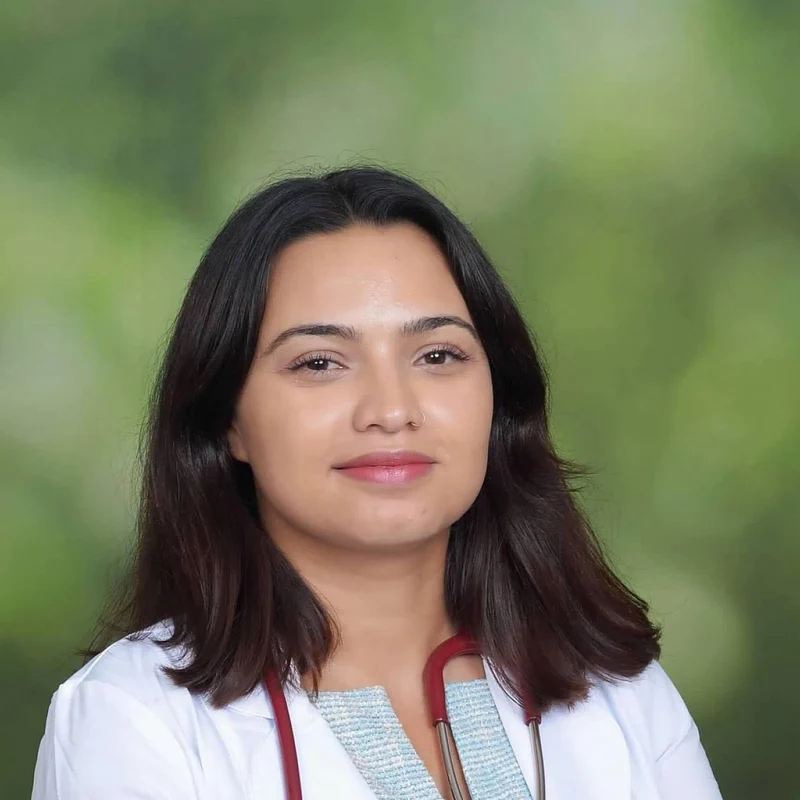
Gandhi Bhattarai, FNP-BC, PMHNP-BC, Anti-Aging/Functional Medicine BC
Triple board-certified nurse practitioner and founder of Arbour Longevity in Ann Arbor. Every article is written from clinic practice and reviewed against current guidelines.
✓ Medically reviewed · Last updated August 17, 2026
How we reviewed this article
Arbour Longevity articles are written by the treating clinician, checked against primary sources (peer-reviewed journals, FDA labeling, Endocrine Society and other specialty guidelines) and re-reviewed when guidance changes. See our editorial policy. Spotted an error? Email info@arbourlongevity.com.
This article is educational and is not a substitute for individualized medical advice. Whether a treatment is appropriate for you is determined during consultation.
Your symptoms have a cause. Let’s find it.
Book a $35 first visit in Ann Arbor. It’s a 30–45 minute consultation with Gandhi Bhattarai, applied toward your plan. Serving Ann Arbor, Ypsilanti, Saline, Dexter, Chelsea, and Michigan by telehealth.





.webp)

